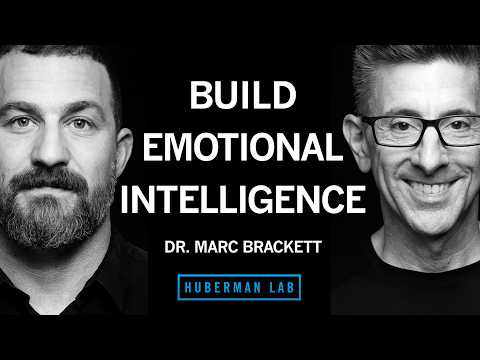
Direct Answer: How to Better Regulate Your Emotions
Better regulating your emotions involves becoming more aware of your feelings and taking steps to manage them effectively. This includes recognizing emotional triggers, practicing self-awareness, and developing healthy coping mechanisms.
Section 1: Recognize Emotional Triggers
Emotional triggers are events, people, or situations that can cause you to feel a certain way. To better regulate your emotions, it's essential to identify and understand these triggers. Take time to reflect on your past experiences and notice patterns in how you react to different situations. For example, do you get anxious when faced with public speaking or feel overwhelmed when dealing with a difficult coworker? Once you're aware of your triggers, you can start working on strategies to manage them.
One way to recognize emotional triggers is by keeping a journal or talking to a trusted friend or family member. Writing down your thoughts and feelings can help you identify patterns and gain insight into your emotional responses. Additionally, seeking support from a mental health professional can provide you with a safe and non-judgmental space to explore your emotions and develop coping strategies.
When faced with a trigger, take a step back and assess the situation. Ask yourself, 'What's causing me to feel this way?' or 'What can I do to manage my emotions in this situation?' By taking a moment to reflect and respond thoughtfully, you can reduce the impact of emotional triggers and develop greater emotional regulation.
Section 2: Practice Self-Awareness
Self-awareness is the ability to recognize and understand your thoughts, feelings, and behaviors. Practicing self-awareness is essential for better regulating your emotions because it allows you to tune into your internal experiences and respond in a more intentional way. To develop self-awareness, try practicing mindfulness meditation, engaging in physical activity, or simply taking time to reflect on your day.
One way to practice self-awareness is by paying attention to your physical sensations. Notice how your body feels when you're feeling stressed, anxious, or overwhelmed. Do you experience tension in your shoulders or a knot in your stomach? By tuning into your physical sensations, you can gain insight into your emotional state and develop strategies to manage your feelings.
Additionally, try to label your emotions when you're feeling them. Instead of saying 'I'm just feeling anxious,' say 'I'm feeling anxious because I'm worried about this deadline.' By acknowledging and labeling your emotions, you can develop a greater understanding of your emotional experiences and respond in a more intentional way.
Section 3: Develop Healthy Coping Mechanisms
Healthy coping mechanisms are strategies that help you manage and regulate your emotions in a positive way. Developing healthy coping mechanisms is essential for better regulating your emotions because it allows you to respond to challenging situations in a more adaptive and resilient way. Some examples of healthy coping mechanisms include exercise, creative activities, and social support.
One way to develop healthy coping mechanisms is by exploring different activities and finding what works best for you. Try engaging in a new hobby, practicing yoga, or volunteering in your community. By finding activities that bring you joy and help you feel more grounded, you can develop a greater sense of emotional regulation and resilience.
Additionally, try to seek out social support from friends, family, or a mental health professional. Talking through your emotions with someone you trust can help you gain perspective, develop coping strategies, and feel more supported and connected.
Brief Conclusion
Better regulating your emotions involves becoming more aware of your feelings and taking steps to manage them effectively. By recognizing emotional triggers, practicing self-awareness, and developing healthy coping mechanisms, you can develop greater emotional regulation and resilience. Remember, it's okay to not have all the answers and to ask for help when you need it. By taking small steps towards greater emotional awareness and regulation, you can live a more intentional, resilient, and fulfilling life.
For more information on local services and resources, visit Local Services on It's Buzzing. Additionally, if you're interested in exploring local businesses and supporting your community, check out the Buy Local Directory or browse businesses by industry on the Explore Industries page.