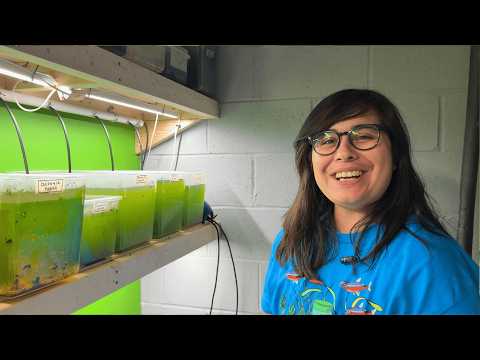
What Is Live Daphnia Culturing and Why Should You Care?
Live daphnia culturing is the practice of breeding and maintaining colonies of daphnia (water fleas) to use as nutritious live food for your aquarium fish. Daphnia are small aquatic crustaceans packed with protein and natural movement that triggers feeding responses in fish. Unlike frozen or pellet foods, live daphnia provide superior nutrition and enrichment. A dedicated daphnia culture wizard can produce a continuous supply of food, reduce feeding costs, and keep their fish healthier. The process requires basic equipment, stable water conditions, and consistent care.
Setting Up Your First Daphnia Culture
Starting a daphnia culture begins with the right container. A 5 to 10-gallon tank works perfectly for beginners. You'll need stable temperature control, so an adjustable 100W aquarium heater keeps water around 65 to 72 degrees Fahrenheit. Daphnia prefer cooler water than most tropical fish, which makes basement or garage setups ideal.
Water quality matters significantly. Use an API Freshwater Master Test Kit to monitor ammonia, nitrite, nitrate, and pH levels weekly. Daphnia tolerate slightly higher organic loads than fish tanks, but you still need partial water changes. Perform a 25 to 30 percent change every two weeks to maintain stability.
Lighting helps daphnia thrive. An LED planted tank light running 12 hours daily supports algae growth, which daphnia feed on naturally. Avoid direct sunlight, as it causes temperature swings and unwanted algae blooms.
Feeding and Managing Your Daphnia Population
Daphnia eat algae, yeast, and specialized fish foods. Many experts culture spirulina or chlorella algae in separate containers to feed their daphnia colonies. This approach creates a self-sustaining ecosystem. If you're starting out, a small amount of dried spirulina powder mixed with water twice weekly works well.
Overfeeding kills daphnia cultures faster than underfeeding. Add food gradually and watch how quickly it disappears. The water should remain clear. If it turns cloudy or smells bad, you've added too much food or your water quality has crashed.
Population control is essential. A healthy culture doubles every 7 to 10 days. Harvest daphnia using a fine net or by siphoning them into a collection container. Remove roughly one-third of the population weekly to maintain balance and prevent crashes from overpopulation.
Temperature fluctuations cause the most culture failures. Keep heaters consistent and avoid sudden changes. If your daphnia culture seems stressed, check your thermometer first before adjusting anything else.
Harvesting and Feeding Your Fish
Harvesting daphnia is straightforward. Use a fine mesh net or turkey baster to collect them directly into your fish tank. Many fishkeepers create a separate harvesting container with fresh water to rinse daphnia before feeding. This prevents transferring excess culture water into your display tank.
Start with small portions. Most fish learn to recognize daphnia quickly and eat them enthusiastically. Live food provides mental stimulation and exercise that captive fish desperately need. You'll notice improved coloration and activity within weeks.
If you need backup filtration for your display tanks while focusing on daphnia culture, a reliable canister filter for aquarium handles heavy bioloads from multiple tanks efficiently.
Common Mistakes to Avoid
The most common error is overfeeding. New culturists assume daphnia need constant food. In reality, they feed on natural algae and bacteria in the tank. Add supplemental food sparingly.
Don't skip water changes. Even slow-growing cultures need regular 25 to 30 percent changes to prevent toxic buildup.
Avoid temperature swings. Heating and cooling fluctuations trigger mass die-offs. Invest in a quality heater and thermometer from day one.
Conclusion
Live daphnia culturing transforms your fishkeeping hobby. You'll save money, feed healthier fish, and gain a deeper understanding of aquatic ecosystems. Start small with a single 5-gallon culture, monitor water quality closely, and harvest regularly. Most beginners succeed within their first month. Once you master the basics, you'll understand why experienced aquarists call themselves daphnia wizards. The reward is watching your fish thrive on premium, live nutrition you grew yourself.