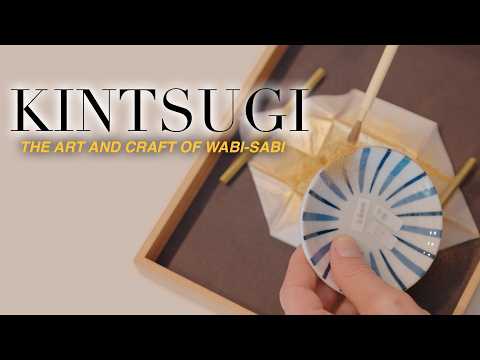
What is Kintsugi? The Japanese Art of Golden Repair
Kintsugi is a Japanese ceramic repair technique that fills broken pottery with gold, silver, or copper joinery. Rather than hiding damage, kintsugi celebrates it. The philosophy transforms broken pieces into beautiful art by embracing imperfection. This ancient practice combines craftsmanship with mindfulness, turning everyday accidents into valuable treasures. The result is functional art that tells a story of restoration and resilience.
Understanding the Philosophy Behind Kintsugi
Kintsugi stems from the Japanese concept of wabi-sabi, which values imperfection and impermanence. When a ceramic bowl breaks, traditional kintsugi masters don't discard it. Instead, they repair the damage with gold-infused adhesive, making the fracture a focal point rather than a flaw. This approach teaches us to accept mistakes and find beauty in what's broken. The golden seams become the most valued part of the piece. This mindset extends beyond pottery into daily life and creative practice.
The technique also reflects mottainai, the Japanese respect for resources and waste reduction. By repairing damaged ceramics instead of replacing them, kintsugi practitioners honor both the object and the effort invested in creating it. This sustainable approach has gained global attention as people seek meaningful alternatives to throwaway culture.
Materials and Tools You Need to Start Kintsugi
Getting started with kintsugi requires basic materials. You'll need urushi lacquer, a traditional Japanese coating that serves as the adhesive. Gold powder or gold leaf provides the signature golden finish. A small brush applies the lacquer precisely into fractures. Fine-grit sandpaper smooths the finished repair. Some beginners use epoxy resin as a modern alternative to traditional urushi, which requires specific humidity and temperature conditions for curing.
If you're serious about learning the craft, consider taking a workshop or following video tutorials. Many artisans share detailed guides online. Start with small ceramic pieces rather than treasured heirlooms. Practice applying gold leaf and perfecting your technique on test pieces first. The initial investment is modest, making kintsugi accessible to most hobbyists.
Practical Steps for Your First Kintsugi Project
Begin by cleaning the broken ceramic piece thoroughly. Remove any dirt or debris from the fracture lines. If edges are jagged, carefully sand them smooth with fine-grit sandpaper. This preparation ensures the lacquer or epoxy bonds properly.
Apply your adhesive carefully into the crack using a small brush or applicator. Work slowly and precisely. Let the lacquer or epoxy cure according to product instructions. Traditional urushi needs 7-10 days in humid conditions. Modern epoxy alternatives cure faster, sometimes in 24 hours.
Once cured, apply gold leaf or powder over the adhesive seams. A final protective coating seals the gold and strengthens the repair. Your restored piece is now both functional art and a conversation starter.
While you're developing your creative skills, take breaks. Settle in with your favorite shows on a quality gaming monitor 144Hz (27 inch) to watch behind-the-scenes kintsugi tutorials, or enjoy entertainment with a Nintendo Switch OLED Bundle. Creative work requires balance.
Finding Inspiration and Building Your Practice
The Behind The Canvas series demonstrates how professional artisans approach kintsugi with intention and skill. Watch how experienced practitioners handle delicate pieces and apply techniques with precision. These visual guides accelerate your learning curve significantly.
Connect with local ceramic artists and craftspeople in your area. You can find local service pros near you who teach kintsugi workshops or offer ceramic repair services. Learning directly from masters provides insights that video alone can't teach. Community also keeps your creative practice energized and accountable.
Why Kintsugi Matters Beyond Ceramics
Kintsugi teaches valuable lessons applicable to any creative pursuit. It reframes failure as an opportunity for growth. The golden seams remind us that our most difficult moments often become our most beautiful achievements. This perspective transforms how we approach creative challenges and personal setbacks.
As you develop your kintsugi skills, you might even consider sharing your knowledge. The It's Buzzing Ambassador Program connects creators with audiences interested in learning traditional crafts. Your unique perspective on art and restoration could inspire others.
Start Your Kintsugi Journey Today
Kintsugi is accessible, meaningful, and deeply rewarding. You don't need expensive equipment or years of training to begin. Find a broken ceramic piece, gather basic materials, and embrace the repair process. The results celebrate imperfection and create lasting beauty. Start small, practice often, and let the golden seams guide you toward understanding that our cracks make us more valuable, not less.