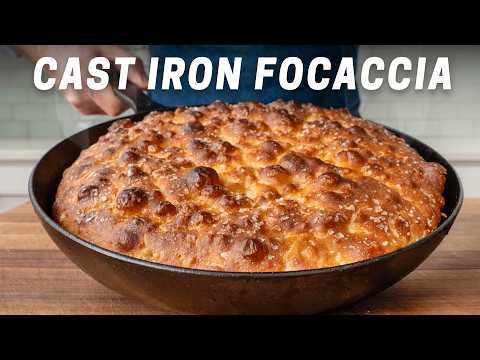
Yes, Making Good Bread Is Actually This Simple
You don't need years of experience to bake excellent bread at home. The viral appeal of "this bread is too easy to be this good" videos reveals a fundamental truth: quality homemade bread comes down to following straightforward steps, using reliable techniques, and having patience. Most beginners think bread baking requires advanced skills or expensive equipment. It doesn't. With basic ingredients, proper timing, and a few key tools, you'll produce bakery-quality loaves in your own kitchen. This guide walks you through the essentials.
Master the Four Essential Bread Baking Steps
Every beginner should understand the basic bread-making process. Start with mixing your dry ingredients (flour, salt, yeast) and wet ingredients (water, sometimes oil or sugar) until they form a shaggy dough. Next comes kneading, which develops gluten and gives your bread structure. A KitchenAid Stand Mixer (5.5 Qt) eliminates arm fatigue and produces consistent results, though hand kneading works fine too.
The third step is the first rise, also called bulk fermentation. This is where flavor develops. Let your dough sit for 4 to 8 hours at room temperature. Don't rush this. Time does the heavy lifting here. After shaping comes the final rise, usually 1 to 3 hours depending on your kitchen temperature. This is why many easy bread recipes succeed: they rely on long, slow rises rather than complicated techniques.
Get the Temperature and Timing Right
Temperature control separates mediocre bread from exceptional loaves. Room temperature affects how fast your dough rises. In summer, bulk fermentation might take 4 hours. In winter, it could take 8. Watch your dough, not the clock. It should roughly double in size.
One often-overlooked beginner tip: check your bread's internal temperature when it comes out of the oven. A Instant-Read Food Thermometer ensures your loaf is fully baked inside without overbaking the crust. Properly baked bread reaches 205 to 210 degrees Fahrenheit internally. This takes the guesswork out of doneness.
Many easy bread recipes skip complicated scoring or shaping. Instead, they use a Cast Iron Skillet Set (Pre-Seasoned) or Dutch oven to trap steam and create a beautiful crust naturally. The trapped moisture does the work for you.
Invest in the Right Tools and Practice Consistency
You don't need a full bakery setup. Three tools make a real difference: a reliable oven thermometer, a Chef's Knife (8" German Steel) for scoring, and a Dutch oven or covered baking vessel. A scale for measuring flour by weight also helps, since it's more accurate than cups.
The real beginner secret is consistency. Bake the same recipe multiple times. Watch how your dough behaves in your specific kitchen. Pay attention to temperature, humidity, and how your oven performs. Each attempt teaches you something. This is why easy bread videos gain traction: they show that repetition and observation matter more than complexity.
If you're serious about expanding your baking skills, consider connecting with local culinary instructors or bakeries in your area. Browse Local Services on It's Buzzing to find bakers and cooking classes near you who offer hands-on guidance.
Start Baking Bread Today
Easy bread baking isn't a myth. It's a realistic goal for anyone willing to follow a simple process and wait for time to do the work. Start with a basic recipe using just flour, water, salt, and yeast. Focus on understanding the four core steps. Use your tools wisely. Trust the process. Your first loaf might not be perfect, but by your third or fourth attempt, you'll understand why these easy bread recipes work so well. The satisfaction of pulling a warm, crusty loaf from your own oven makes it worth every hour of waiting.