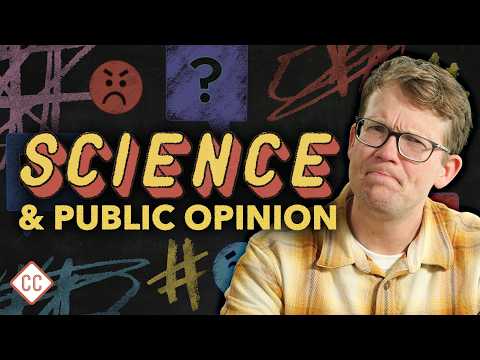
What Happens When Science Clashes With the Public?
Science and society don't always see eye to eye. When scientists publish findings that contradict public beliefs, confusion spreads fast. Poor science communication creates gaps between expert knowledge and public understanding. This clash happens because scientists often struggle to explain complex ideas in accessible ways. The public, meanwhile, lacks basic scientific literacy to evaluate claims critically. Trust erodes. Misinformation thrives. The result: preventable conflicts that undermine public health, education, and policy.
The Communication Breakdown
Scientists excel at research but often fail at talking to non-experts. They use jargon. They assume background knowledge people don't have. They present findings without context or storytelling. Meanwhile, the public encounters science through social media, sensationalized headlines, and entertainment. These sources prioritize engagement over accuracy.
The disconnect is real. A study might say "moderate coffee consumption shows no link to heart disease," but headlines scream "Coffee is safe!" or "Coffee kills!" People see contradictions. They lose trust.
Effective science communication requires more than dumbing things down. It means understanding your audience's concerns, values, and existing beliefs. It means using narrative, visuals, and relatable examples. Scientists who do this well bridge the gap. Those who don't contribute to the conflict.
If you're interested in learning more about effective communication in your own community, check out Local Services on It's Buzzing to find educators or science communicators near you who specialize in making complex topics accessible.
Scientific Literacy: The Missing Link
Many people can't evaluate scientific claims because they lack basic scientific literacy. This doesn't mean understanding advanced physics. It means knowing how science actually works: how evidence accumulates, what correlation versus causation means, why sample size matters, how peer review functions.
Without this foundation, people struggle to distinguish legitimate research from pseudoscience. They believe one study over decades of consensus. They trust charismatic personalities over actual experts. They share dramatic claims without checking sources.
Improving scientific literacy isn't just about schools. It's a community effort. Parents, media outlets, and public institutions all play roles. Teaching critical thinking matters more than memorizing facts. People need skills to question sources, evaluate evidence, and change their minds based on new information.
When scientific literacy improves, so does public trust. People become less susceptible to misinformation. They make better health choices. They support evidence-based policies. This creates healthier, more resilient communities.
Real-World Conflicts and Solutions
Science clashes with society over vaccines, climate change, nutrition, and medicine constantly. These aren't just academic debates. They affect real decisions that impact lives.
The vaccine hesitancy crisis is a prime example. Despite overwhelming safety data, millions distrust vaccines. Why? Poor communication from health authorities, mixed messaging, legitimate side effect discussions buried under reassurance, and influencers spreading fear all contributed. Scientists assumed people would trust experts automatically. They were wrong.
Climate change communication struggles similarly. Scientists present data. Critics question it. Average people feel confused and paralyzed. Studies show that leading with emotion and storytelling works better than statistics alone. People connect with stories of their own communities facing real impacts.
Solving these conflicts requires sustained effort. Scientists need training in public communication. Media outlets need science literacy. Schools need better science education. Public health agencies need transparency and humility about uncertainty. Communities need access to accurate, local information they can trust.
If you want to support businesses and initiatives in your community promoting science education and literacy, visit the Buy Local Directory to find local resources making a difference.
Moving Forward
The clash between science and society isn't inevitable. It stems from communication failures, education gaps, and trust deficits. All are fixable.
Scientists must learn to communicate clearly without oversimplifying. The public must invest in scientific literacy. Media must prioritize accuracy. Policymakers must listen to evidence. Communities must engage with science actively rather than passively.
When these pieces align, science becomes a tool for collective progress instead of a source of conflict. People make informed decisions. Policies improve. Public health advances. The gap closes.
The question isn't whether science and society can coexist peacefully. The question is whether we'll commit to the communication, education, and trust-building required to make it happen.