What Does a Modern Betta Aquarium Look Like?
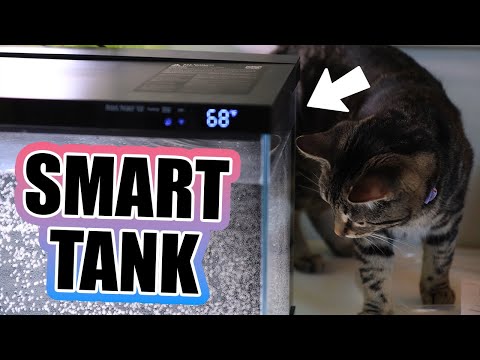
The future of betta fishkeeping combines smart technology with solid fundamentals. Today's betta aquariums feature automated water monitoring, energy-efficient lighting, and precision temperature control. The setup still requires the basics: at least 5 gallons of water, gentle filtration, and stable conditions. What's changed is how easily you can maintain these standards. Modern systems let you monitor your tank from your phone while delivering consistent care that keeps bettas healthier and happier.
Smart Monitoring and Water Quality Management
Water quality is the foundation of any betta setup. The difference between today and the future is automation and real-time feedback. Start with an API Freshwater Master Test Kit to establish baseline readings for ammonia, nitrite, nitrate, and pH. This gives you the data you need to understand your tank's ecosystem.
Next, invest in proper filtration. An aquarium canister filter handles mechanical and biological filtration without creating strong currents that stress bettas. Canister filters are quieter and more efficient than hang-on-back models, making them ideal for modern setups.
Smart aquarium systems now offer digital monitors that track parameters automatically. These devices alert you to issues before they become problems. Some systems integrate with apps, giving you peace of mind whether you're home or away.
Lighting and Environmental Control
Futuristic betta tanks use programmable LED lighting systems. An LED planted tank light provides full-spectrum illumination that supports live plants while creating a natural day-night cycle. Bettas need this rhythm for healthy sleep and stress reduction.
Temperature stability is non-negotiable. Bettas are tropical fish that thrive between 76-82 degrees Fahrenheit. An adjustable 100W aquarium heater maintains consistent warmth year-round. Modern heaters include digital displays and safety shutoffs that prevent overheating.
The next generation of tanks features smart heaters and lights that sync together. Imagine your light gradually brightening at sunrise and dimming at sunset while the heater maintains perfect temperature. These systems reduce your daily maintenance while keeping your betta in peak condition.
Practical Setup Tips for Success
Start with tank volume. Five gallons is the absolute minimum, but 10-20 gallons gives you better water stability and more room for enrichment. Larger tanks have more forgiving chemistry and fewer dramatic temperature swings.
Add substrate and hiding spaces. Bettas need places to rest and feel secure. Use soft substrate, live or silk plants, and caves. This mimics their natural habitat and reduces stress.
Do a fishless cycle before adding your betta. Use ammonia to establish beneficial bacteria colonies. This takes two to four weeks but prevents dangerous ammonia spikes that harm your fish.
Test water weekly. Track parameters in a log. Most issues come from slow changes that sneak up on you. Weekly testing catches problems early.
Change 25-30 percent of water every week. Regular water changes remove accumulated waste and replenish minerals. Never use chlorinated tap water directly. Treat it with a dechlorinator first.
Feed your betta high-quality pellets once or twice daily. Overfeeding is a common mistake. Bettas have small stomachs. Feed only what they can eat in a few minutes.
Building Your Ecosystem
Modern betta setups often include live plants. Plants absorb nitrates, produce oxygen, and provide shelter. Low-light plants like Java fern and Anubias work well in most tanks. They're nearly impossible to kill and improve water quality passively.
Some advanced keepers add snails or small shrimp to their betta tanks. Tank mates must be chosen carefully since bettas can be aggressive. Research compatibility before adding anything new.
Conclusion
The betta aquarium of the future isn't about gimmicks. It's about using proven technology to reduce maintenance while improving care. Smart monitors, efficient filters, programmable lights, and stable heaters work together to create an ideal environment. Start with quality equipment, establish solid routines, and let technology handle the rest. Your betta will thrive, and you'll spend less time troubleshooting problems. That's the real future of fishkeeping.