What Makes a Great Morning Dog Walking Routine?
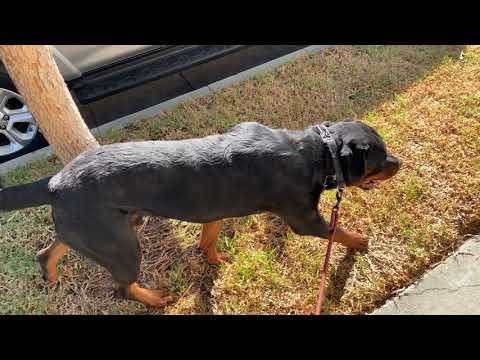
A morning walk sets the tone for your dog's entire day. Regular morning walks tire your dog out, reduce behavioral problems, and strengthen your bond. Most dogs need 30 minutes to an hour of exercise daily, depending on breed and age. Start early before it gets hot. Use a consistent route. Bring water. Keep walks relaxed and enjoyable. Your dog will look forward to this time with you every single day.
Prepare Your Dog for Success
Before heading out the door, make sure your dog has the right gear. An adjustable no-pull dog harness makes walks easier for both of you. It prevents pulling and gives you better control without choking or choking sensations. Fit it snugly but comfortably around their chest.
Bring natural dog training treats for positive reinforcement during walks. Reward good behavior like loose leash walking and proper greetings with other dogs. This builds a strong foundation for obedience. Use high-value treats your dog goes crazy for. Keep sessions short and fun.
Check the weather before leaving. Avoid extreme heat or cold. Check your dog's paws for debris afterward. Some dogs benefit from booties in winter or hot climates.
Build the Perfect Walking Routine
Consistency matters more than anything else. Walk at the same time each morning. Your dog's body clock will adjust. They'll be ready and excited when you grab the leash. Start with a quiet neighborhood street if your dog is young or anxious. Gradually expose them to busier areas, other dogs, and different environments.
Let your dog sniff and explore. This isn't about speed or distance. Sniffing provides mental stimulation and helps them read their neighborhood. It's like reading a newspaper for dogs. Stop when they want to investigate something interesting. This makes the experience rewarding for them.
Stay alert to other dogs and people. Keep your dog close near traffic. Use a shorter leash on busy streets. Practice basic commands like sit, stay, and come. Morning walks are prime training time.
When you return home, let your dog cool down gradually. Offer fresh water. If your dog loves to run and play, schedule a second walk later in the day. Some breeds need more exercise than others. Younger dogs have more energy. Senior dogs need shorter, gentler walks.
Post-Walk Care and Recovery
After your morning walk, your dog needs proper recovery. Brush their coat with a dog grooming brush and deshedder to remove dirt, mats, and loose fur. This keeps their coat healthy and reduces shedding inside your home. Regular grooming also lets you spot skin issues early.
Invest in an orthopedic dog bed for daytime rest and recovery. Quality rest is essential for muscle repair and overall health. Orthopedic beds support aging joints and prevent pressure sores. Your dog will sleep better and wake up refreshed.
Keep your dog hydrated throughout the day. After exercise, offer water gradually so they don't get sick. Watch for signs of overexertion like excessive panting, limping, or letharness. Adjust walk length and intensity based on your dog's age, breed, and fitness level.
Find Professional Help When Needed
Not everyone can walk their dog every morning. If you need backup, find local service pros near you who offer dog walking services. Professional walkers can maintain your dog's routine when life gets busy. This keeps your dog healthy and happy while you're at work.
The Bottom Line
A solid morning dog walking routine prevents behavior problems, keeps your dog fit, and strengthens your relationship. Use proper equipment, stay consistent, and pay attention to your dog's individual needs. Your morning walks with your dog will become the highlight of both your days. Start today and watch your dog transform into a happier, healthier companion.