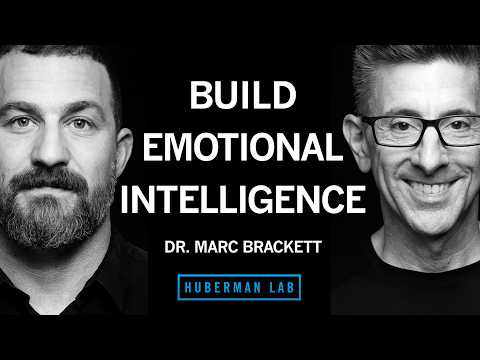
Regulate Your Emotions for a Happier Life
Want to know the secret to better regulating your emotions and achieving a happier life? It's not about suppressing your feelings or avoiding difficult situations, but about learning to manage them in a healthy and constructive way.
According to Dr. Marc Brackett, a leading expert in emotional intelligence, better regulating your emotions is key to achieving happiness and well-being. In this article, we'll explore three practical sections to help you get started on this journey.
So, how do you better regulate your emotions? Here are three practical steps to get you started:
Section 1: Develop Self-Awareness
Self-awareness is the foundation of emotional regulation. It's the ability to recognize and understand your emotions, as well as the physical and emotional sensations that come with them. To develop self-awareness, try to become more mindful of your thoughts, feelings, and bodily sensations. Pay attention to how you feel in different situations and try to identify patterns and triggers.
For example, you might notice that you feel anxious when you're in a crowded place or that you feel happy when you're spending time with loved ones. By becoming more aware of your emotions, you can start to make connections between your thoughts, feelings, and behaviors.
One way to cultivate self-awareness is to practice mindfulness meditation. This involves focusing your attention on the present moment and letting go of distractions. You can try using a guided meditation app like Headspace to get started.
Section 2: Develop Emotional Regulation Skills
Once you have a good understanding of your emotions, you can start to develop skills to regulate them. This might involve learning techniques like deep breathing, progressive muscle relaxation, or visualization. These techniques can help you calm your body and mind, reducing feelings of anxiety and stress.
Another important skill to develop is emotional labeling. This involves identifying and labeling your emotions in the moment. For example, if you're feeling anxious, you might label it as 'anxious' or 'stressed.' This can help you detach from your emotions and view them more objectively.
It's also helpful to practice self-compassion and self-care. This involves treating yourself with kindness and understanding, just as you would a close friend. This can involve activities like exercise, journaling, or spending time in nature.
One way to support your emotional regulation is to hire a therapist or counselor who can help you develop these skills. You can find local therapists through Local Services on It's Buzzing or by asking for referrals from friends and family.
Section 3: Develop a Support Network
Finally, it's essential to develop a support network of people who can help you regulate your emotions. This might involve friends, family members, or a therapist. Having a supportive network can help you feel less isolated and more connected to others.
One way to build a support network is to join a community group or club that aligns with your interests. This can help you meet new people and develop meaningful relationships. You can also try volunteering or taking a class to meet new people and build connections.
Another way to build a support network is to connect with people online. You can join online communities or forums related to your interests or connect with people on social media. Just be sure to maintain healthy boundaries and prioritize in-person connections.
By following these three sections, you can start to better regulate your emotions and achieve a happier life. Remember, emotional regulation is a skill that takes time and practice to develop, so be patient and kind to yourself as you work through these steps.
So, what are you waiting for? Start your journey to better regulating your emotions today!