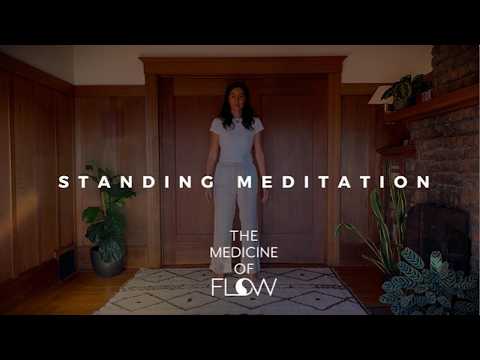
What Is Standing Meditation?
Standing meditation is a mindfulness practice performed while upright, combining stillness with active body awareness. Unlike seated meditation, this technique engages your legs, core, and postural muscles while you focus your mind. It builds mental clarity, physical stability, and grounding energy. The practice works for beginners and experienced meditators alike. You need no special equipment to start, just a quiet space and proper form.
Master Your Standing Meditation Posture
Correct posture is the foundation of effective standing meditation. Stand with your feet shoulder-width apart, weight evenly distributed. Your knees should be slightly bent, not locked. This reduces strain on your lower back and keeps energy flowing through your legs. Align your shoulders directly above your hips. Keep your chest open but relaxed. Your arms can hang naturally at your sides with palms facing forward, or rest one hand on the other at your lower abdomen.
Your head positioning matters too. Tuck your chin slightly so your eyes gaze forward and slightly down. This prevents neck strain during longer sessions. Imagine a string pulling the crown of your head gently upward. This mental cue helps maintain neutral spine alignment without tension. Avoid rigidity. Your body should feel grounded yet alive, not stiff.
Many practitioners benefit from a meditation mat or non-slip surface to anchor their stance. This simple addition helps you stay focused on alignment rather than worrying about slipping.
Core Standing Meditation Techniques
Start with breath awareness. Breathe naturally through your nose. Feel your abdomen expand and contract with each breath. This anchors your mind in the present moment. Practice for 5 to 10 minutes initially, then gradually extend sessions as comfort increases.
Next, use body scanning. Mentally travel from your feet up through your legs, torso, arms, and head. Notice any tension or tightness without judgment. This builds the mind-body connection central to mindfulness practice. Release tightness consciously. Relax your jaw, shoulders, and face muscles.
Visualization strengthens standing meditation too. Picture roots growing from your feet into the earth. Feel yourself becoming stable and immovable. This grounding technique calms anxiety and centers your focus. Some practitioners imagine energy flowing upward through their spine with each inhale.
Movement is optional but powerful. Gentle swaying or weight shifts between feet can deepen awareness. You're not frozen; you're present with subtle motion. This dynamic approach suits people who find complete stillness challenging.
Essential Meditation Equipment and Environment
You don't need much to succeed at standing meditation. A quality yoga mat or meditation cushion provides comfort and defines your practice space. These items signal to your brain that meditation time has arrived. Choose a non-slip surface to prevent distraction during longer stands.
Wear comfortable clothing that allows free movement. Avoid tight jeans or restrictive tops. Layers work well since body temperature can fluctuate during practice. Go barefoot if possible to enhance grounding and proprioception.
Your environment shapes success. Find a quiet location away from phones, traffic noise, and interruptions. Face a blank wall or window with a calming view. Some people use a meditation timer to track sessions without checking their watch. Natural light is ideal, though soft indoor lighting works too.
Consider investing in beginner-friendly meditation guides or instructional resources from local wellness instructors. Many community teachers offer classes that refine your technique in person.
Building Your Mindfulness Practice Habit
Consistency beats intensity. Practice standing meditation daily, even for 5 minutes. Morning sessions energize your day. Evening practice aids sleep. Choose a regular time to anchor the habit into your routine.
Track your progress in a simple journal. Note how long you meditated, what techniques you used, and how you felt. This accountability builds momentum. Start small and expand gradually. Quality practice matters more than duration.
Join a community or find a meditation buddy. Sharing your practice creates accountability and deepens commitment. Many wellness centers and online groups support standing meditation practitioners.
Conclusion
Standing meditation is an accessible, powerful mindfulness tool. Master your posture alignment, learn core breathing techniques, and gather minimal equipment. Start today with just five minutes in a quiet space. Your body and mind will thank you for the practice.