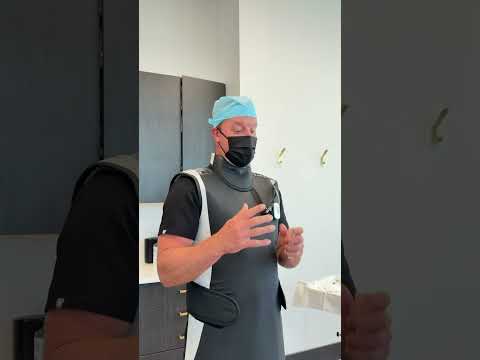
Direct Answer to Chronic Back Pain
Chronic back pain can be debilitating, affecting daily life and overall well-being. However, there are several practical solutions to help alleviate this condition. By incorporating a combination of lifestyle changes, exercises, and professional guidance, individuals can find relief from chronic back pain.
Practical Section 1: Lifestyle Changes
One of the most effective ways to manage chronic back pain is through lifestyle changes. This includes maintaining a healthy weight, as excess weight can put additional strain on the back. A balanced diet rich in fruits, vegetables, and whole grains can also help alleviate back pain. Additionally, regular exercise such as yoga or swimming can help improve flexibility and reduce pain. It's also essential to get enough sleep, aiming for 7-8 hours per night, to help the body recover from the day's activities. If you're looking to make these changes, consider consulting a registered dietitian or a personal trainer to create a tailored plan.
Another crucial aspect of managing chronic back pain is stress management. High levels of stress can exacerbate back pain, so it's essential to find healthy ways to cope with stress. Techniques such as meditation, deep breathing, or journaling can help reduce stress levels. You can also consider seeking professional help from a therapist or counselor to develop a personalized stress management plan.
Practical Section 2: Exercises and Stretches
Exercise and stretching are essential components of managing chronic back pain. Gentle exercises such as yoga or Pilates can help improve flexibility and strengthen the back muscles. It's also essential to incorporate stretching exercises into your daily routine, focusing on areas such as the hamstrings, hip flexors, and lower back. A foam roller or a tennis ball can also be used to release tension in the muscles. Consider consulting a physical therapist or a certified fitness professional to create a personalized exercise plan.
When exercising, it's essential to listen to your body and avoid activities that exacerbate back pain. Start with gentle exercises and gradually increase intensity and duration as your body allows. You can also consider using assistive devices such as a walking stick or a back support belt to help alleviate pain during exercise.
Practical Section 3: Professional Guidance
While lifestyle changes and exercises are essential, sometimes professional guidance is necessary to manage chronic back pain. A healthcare professional such as a primary care physician, a physical therapist, or an orthopedic specialist can help diagnose and treat underlying conditions contributing to back pain. They can also provide personalized recommendations for exercises, stretches, and lifestyle changes to help alleviate pain.
Consider seeking professional help if you experience persistent or severe back pain, numbness or tingling in the legs, or difficulty controlling bowel or bladder functions. Your healthcare provider can also recommend alternative therapies such as acupuncture, massage, or chiropractic care to help manage back pain.
Conclusion
Managing chronic back pain requires a multifaceted approach that incorporates lifestyle changes, exercises, and professional guidance. By making these practical changes and seeking professional help when necessary, individuals can find relief from chronic back pain and improve their overall quality of life. If you're looking to support local businesses in your community that can help with chronic back pain, consider exploring local services such as physical therapy or massage therapy through Local Services on It's Buzzing or visiting a local chiropractor or orthopedic specialist.