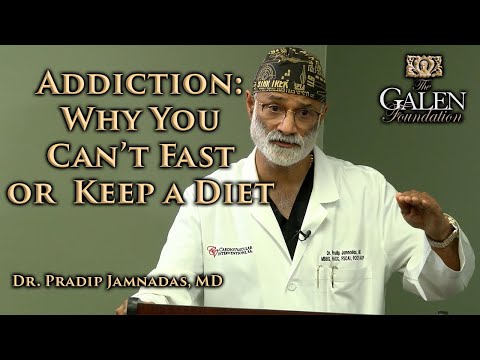
Why Food Addiction Makes Diets Fail
You're not weak. Your brain is fighting you. Food addiction is real neurology, not lack of willpower. Dr. Pradip Jamnadas explains that our brains respond to certain foods the same way they respond to drugs. Sugar, refined carbs, and processed foods trigger dopamine release. This creates a cycle where your body craves these foods intensely. The result: you can't fast or stick to diets because your brain chemistry is working against your goals. Understanding this biological reality is the first step to breaking free.
Understanding Cravings at the Cellular Level
Cravings aren't just mental. They're biochemical signals from your brain demanding a dopamine hit. When you eat processed foods repeatedly, your brain downregulates dopamine receptors. This means you need more of the food to feel satisfied. It's called tolerance. Your body adapts, and suddenly moderate portions don't work anymore.
The insulin response also plays a major role. Eating refined carbs causes blood sugar spikes and crashes. These crashes trigger intense hunger and cravings. Your body isn't asking for food because it needs calories. It's asking because your blood sugar is bottoming out.
To manage cravings, stabilize your blood sugar first. This means eating protein and healthy fats together. Try adding Bulletproof Brain Octane C8 MCT Oil to your morning coffee. MCT oils are metabolized quickly and provide steady energy without the sugar spike. Pair this with electrolytes like LMNT Electrolyte Mix during fasting to prevent the mineral depletion that triggers cravings.
Fasting Strategies That Actually Work
Fasting isn't about willpower. It's about resetting your insulin sensitivity and teaching your brain that not eating is okay. The key is starting small and building up gradually.
Begin with 12-hour fasts. Skip breakfast and wait until lunch. This is manageable for most people. After two weeks, extend to 14 hours. Then 16 hours. Your body adapts faster when you progress slowly.
During fasting windows, water alone isn't enough. Your electrolytes drop, which causes fatigue, headaches, and intense cravings. This is why LMNT Electrolyte Mix is a game-changer. It contains sodium, potassium, and magnesium without calories or sugar. Drink it during your fast to feel steady and reduce cravings.
Another strategy: drink tea during fasting windows. Oolong Tea Bags contain compounds that boost metabolism and increase fat oxidation. It gives you something to sip on while providing real metabolic benefits. Add Bragg Organic Apple Cider Vinegar to your water before eating to slow glucose absorption and stabilize blood sugar after your fast.
Breaking the Behavior Cycle
Diet adherence fails because you're fighting your brain's reward system. You need to replace the behavior, not just eliminate it. If you snack when stressed, find a different stress reliever. Exercise, meditation, or even a walk changes your neurochemistry faster than fighting the craving.
Your environment matters too. Remove trigger foods from your home. If it's not there, you can't eat it. Stock your kitchen with whole foods instead. This removes decision fatigue and reduces the number of times you fight temptation daily.
Sleep and stress management are non-negotiable. When you're sleep-deprived, your cortisol rises and your willpower drops. Poor sleep increases cravings for sugar and processed foods. Fix sleep first. Everything else becomes easier.
The Real Path Forward
Food addiction isn't your fault. Your brain chemistry can be changed with the right approach. Start with understanding why your body craves certain foods. Then use fasting to reset your insulin sensitivity. Support this with proper electrolytes, stable blood sugar, and behavioral changes. The goal isn't perfection. It's progress. When you understand the biology, the diet finally sticks.