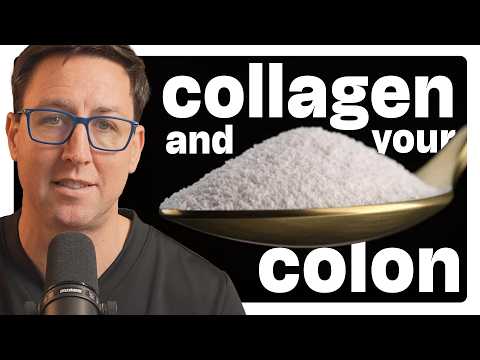
What Does Science Say About Collagen and Gut Health?
Collagen is everywhere in health marketing. But does it actually fix your gut? The short answer: collagen may help, but it's not a magic bullet. Research shows collagen contains amino acids like glycine and glutamine that support the intestinal lining. However, your body breaks down collagen into individual amino acids during digestion. You don't absorb intact collagen. What matters is whether those amino acids reach your gut and whether your body uses them effectively. The evidence is promising but mixed.
The Science Behind Collagen and Intestinal Health
Your gut lining is a barrier. It protects you from harmful bacteria and toxins. When this barrier weakens, problems develop. Collagen provides amino acids that repair this lining. Glycine reduces inflammation. Glutamine feeds your intestinal cells. Proline strengthens connective tissue.
Studies show collagen peptides may improve digestive symptoms in some people. One study found collagen supplementation reduced gut permeability markers in athletes. Another showed improvements in IBS symptoms. But sample sizes were small. More research is needed.
The key insight: collagen works best alongside other gut-healing strategies. It's not a standalone solution. You need the right microbiome, adequate fiber, and proper digestion.
Practical Steps to Support Your Gut Beyond Collagen
Build a stronger gut foundation with these science-backed approaches.
Add fermented foods to your diet. Your gut bacteria are essential. They produce short-chain fatty acids that feed your intestinal cells. Fermented foods deliver live bacteria. Start with sauerkraut, kimchi, or kefir. If you want to make your own, Cultures for Health Kefir Starter makes the process simple. Or try Sauerkraut Starter Culture kits for homemade batches.
Increase your fiber intake. Fiber feeds beneficial bacteria. Most people don't eat enough. Add soluble fiber gradually to avoid bloating. Bob's Red Mill Inulin Fiber is an easy addition to smoothies or yogurt. Aim for 25-35 grams daily.
Consider quality probiotics. Not all probiotics are equal. Look for strains with research behind them. Garden of Life Probiotics offers multi-strain formulas designed to survive stomach acid. Take them consistently for 4-8 weeks before expecting results.
Eat collagen-rich foods. Bone broth, chicken skin, and fish skin contain natural collagen. Cooking these foods in water breaks down collagen into gelatin. This is easier for your body to use than isolated supplements. Make it a regular habit rather than relying only on supplements.
How to Use Collagen Supplements Effectively
If you decide to supplement, timing and type matter. Collagen peptides are hydrolyzed, meaning they're broken down into smaller molecules your body absorbs easily. Take them with vitamin C, which helps collagen synthesis. Morning or with meals works fine.
Typical doses range from 10-20 grams daily. Consistency is more important than megadoses. Give it 8-12 weeks before assessing results. Some people see improvements in digestion, skin, and joint health. Others notice nothing. Genetics, diet quality, and gut baseline health all affect outcomes.
Skip collagen if you have fish or shellfish allergies. Many products use marine sources. Always check labels.
Build Your Complete Gut Health Strategy
Collagen is one tool in a larger toolkit. The strongest approach combines collagen, fermented foods, fiber, probiotics, and stress management. Sleep, exercise, and hydration matter too. Your gut doesn't improve overnight. Real change takes weeks to months.
If you're looking for professional guidance on gut health or nutrition, find local service pros near you who specialize in functional medicine or nutrition coaching. Local practitioners often provide more personalized recommendations than generic online advice.
Start with one or two changes. Add collagen, increase fermented foods, or boost your fiber intake. Track how you feel. Then build from there. Small, consistent habits beat dramatic overhauls that never stick.