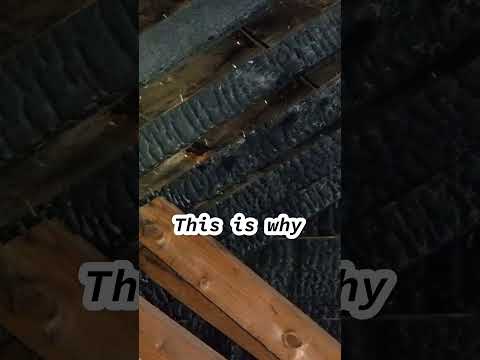
What Home Inspectors Look for in Attic Fire Damage
Attic fire damage requires careful structural evaluation before you buy. Home inspectors assess visible burn marks, wood beam integrity, electrical system damage, and hidden moisture problems that fires leave behind. They check for compromised rafters, charred framing, and roof deck deterioration. The inspection also identifies secondary damage from firefighting efforts and potential mold growth. Buyers need this assessment to understand repair costs and safety risks.
Initial Visual Assessment and Structural Damage
The inspection starts with a detailed visual walkthrough of the attic space. The inspector looks for obvious burn patterns, charring depth, and which structural elements were affected most severely. Wood beams and rafters must be checked for load-bearing capacity. Even partial burns can weaken structural integrity.
Inspectors document every damaged area photographically. They identify whether damage is surface-level or penetrates deep into wood members. Severe fires can compromise the entire roof structure, making the home uninhabitable until repairs are complete.
The inspector also checks for collapsed sections, warped metal components, and damage to any HVAC ductwork running through the attic. These findings directly impact renovation budgets and construction timelines.
Moisture and Secondary Damage Concerns
Water damage from firefighting efforts is often as serious as fire damage itself. Inspect attic insulation for moisture saturation. Wet insulation loses effectiveness and promotes mold growth. A Tramex Moisture Meter (Non-Destructive) helps identify hidden moisture problems in wood framing and insulation without requiring destructive testing.
Mold can develop within 24 to 48 hours after water exposure. Hidden mold in attic spaces poses serious health risks. If visual inspection raises concerns, homebuyers should consider a Mold Test Kit (DIY Lab Analysis) to identify specific mold species and concentration levels.
The inspector examines attic venting systems to ensure proper airflow will prevent moisture accumulation during repairs. Damaged soffit vents, gable vents, and ridge vents need replacement before the attic can dry properly.
Electrical Systems and Safety Code Compliance
Electrical wiring running through fire-damaged attics must be completely replaced. Burned insulation creates shock hazards and fire risks. Inspectors check whether the main electrical panel and circuit breakers sustained damage. Any electrical work discovered during inspection requires licensed electrician assessment and likely full system upgrades.
The home's insurance coverage and building code compliance matter here. Most jurisdictions require fire-damaged homes to meet current electrical codes before re-occupancy. Knob-and-tube wiring or outdated systems may need complete replacement, adding significant cost.
Safety is the top priority. Inspectors will flag any electrical hazards and recommend immediate professional evaluation before the home is occupied.
What Homebuyers Should Do Next
After receiving the inspection report, buyers need professional restoration estimates from experienced contractors. Find local service pros near you who specialize in fire damage restoration. Get multiple bids to understand true repair costs.
Consider having air quality tested as well. Smoke damage and soot can linger in ductwork and circulate through the home even after cleanup. Testing helps identify secondary contamination that visual inspection alone might miss.
Review insurance documentation carefully. Some fire-damaged properties have claim disputes or coverage limitations that affect repair funding. Understand which repairs are covered and which fall to the buyer.
Don't skip the inspection step or rush through it. Attic fire damage assessment determines whether a property is a solid investment or a costly liability. A thorough inspection protects your financial interest and ensures the home will be safe to occupy after repairs.