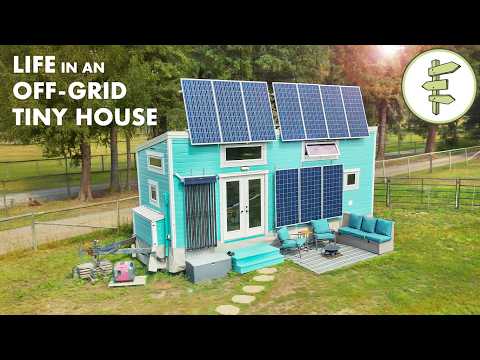
Can You Really Live Off-Grid in a Tiny House Long-Term?
Yes. After a decade of off-grid tiny house living, one homeowner proves it works with the right systems and design. Solar power, water catchment, thermal mass heating, and intelligent storage solve most challenges. The key is planning ahead and choosing durable, efficient solutions. Most families can adapt these principles to their own property.
Smart Power and Water Systems for Off-Grid Life
Off-grid living requires reliable power generation and water management. Solar panels paired with battery storage provide consistent electricity without grid connection. Most modern systems include lithium or lead-acid batteries sized for cloudy days and winter months.
Water comes from rainwater harvesting or well systems. Gutters direct rainfall into storage tanks, which feed gravity-powered plumbing throughout the home. Filtration systems keep water safe for drinking and cooking. Backup supplies ensure availability during dry seasons.
Heating and cooling rely on passive design and thermal mass. South-facing windows capture winter sun. Thermal mass walls absorb and release heat gradually. Backup wood stoves or propane heaters handle extreme weather. Proper insulation minimizes energy loss year-round.
If you're planning an off-grid upgrade, finding qualified local installers matters. Check Local Services on It's Buzzing to connect with solar electricians, plumbers, and builders in your area who specialize in sustainable systems.
Clever Storage and Space-Saving Design
Tiny houses demand vertical thinking. Floor-to-ceiling cabinets, built-in shelving, and multipurpose furniture maximize every inch. Drawers pull out fully, revealing hidden storage beneath. Walls become pantries. Under-stair spaces hold tools and seasonal items.
Kitchen efficiency improves with compact appliances and open shelving. Pantries store staples in clear containers for quick visibility. Bathroom storage uses wall-mounted medicine cabinets and over-toilet shelving. Bedrooms feature built-in wardrobes and drawers.
Organization systems keep clutter manageable. Rolling carts slide into tight spaces. Hanging organizers use wall and door space. Labeled bins make items easy to find. When packing for travel or storing items temporarily, Packing Cubes Sets help maximize suitcase and storage bin space efficiently.
Small appliances reduce kitchen footprint. Instant pots, toaster ovens, and slow cookers handle daily cooking without full-size stoves. Pressure canners preserve harvests for winter eating. Dehydrators store vegetables and fruits long-term.
Practical Homesteading for Sustainable Living
Off-grid living pairs naturally with homesteading. Gardens provide fresh vegetables and fruits. Chickens offer eggs and pest control. Root cellars store harvests through winter. Composting toilets reduce water use and create soil amendments.
Food preservation becomes essential. Canning, fermenting, and freezing extend growing season yields. Root crops store in cool, dark spaces for months. Herbs dry hanging in bundles. Berries freeze for year-round use.
Backup power ensures reliability during outages or equipment failure. 20,000mAh Portable Charger Power Banks keep phones and critical devices charged during emergencies. Flashlights and lanterns provide backup lighting. Hand-crank tools work without electricity.
Maintenance schedules keep systems running smoothly. Regular solar panel cleaning improves efficiency. Battery checks ensure proper function. Water filter replacements maintain quality. Plumbing inspections catch small leaks before they become problems.
Community matters in remote living. Local knowledge helps with seasonal planning. Neighbors assist with major projects. Shared equipment reduces individual costs. Building relationships creates a strong support network for long-term success.
Making Off-Grid Tiny Living Work
Ten years of off-grid tiny house living demonstrates that sustainability works with commitment. Solar power, water management, clever design, and homesteading create resilience and self-sufficiency. Success requires upfront investment, ongoing maintenance, and willingness to adapt.
Start small. Begin with one system at a time. Learn through experience. Connect with others who share your goals. Your tiny house can become a model of efficiency and independence.