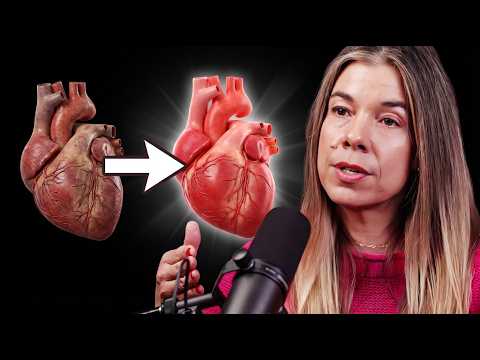
Can Exercise Really Reverse 20 Years of Heart Aging?
Yes. Recent exercise science research shows a specific cardiovascular fitness protocol can reverse roughly 20 years of heart aging in adults. The protocol involves high-intensity interval training combined with steady-state cardio work. Most people see measurable improvements in heart function within 8 to 12 weeks. This isn't theoretical. Scientists measured actual changes in cardiac output, arterial flexibility, and oxygen utilization.
Understanding the Science Behind Heart Aging
Your heart ages the same way your skin does. Over time, the heart muscle loses elasticity. Blood vessels become stiffer. The heart's ability to pump blood and deliver oxygen decreases. By age 50, most people lose roughly 1 percent of their aerobic capacity each year if they remain sedentary.
The cardiovascular system responds to demands placed on it. Sedentary living sends a signal to your body that your heart doesn't need to stay powerful. Your heart adapts downward. The reverse is also true. Challenge your heart the right way, and it adapts upward. Your cardiac function improves. Your arteries regain flexibility. Your oxygen efficiency increases.
The research shows this aging process isn't irreversible. Your heart retains the ability to rebuild itself at any age. The key is using the right exercise protocol to trigger that rebuild.
The Exercise Protocol That Works
The protocol combines two types of cardiovascular work. First is high-intensity interval training (HIIT). This means short bursts of maximum effort followed by recovery periods. A typical session lasts 20 to 30 minutes total.
Second is moderate-intensity steady-state cardio. This might be a 30 to 40-minute walk, jog, or bike ride at a pace where you can talk but not sing. You do this 2 to 3 times per week.
The HIIT component is critical. It triggers specific adaptations in your heart muscle and blood vessels. Your body produces more mitochondria. Your arteries develop better function. Your heart becomes more efficient at every level of exertion.
For beginners, HIIT sessions might involve 30 seconds of hard effort followed by 90 seconds of easy recovery. Repeat this 6 to 8 times. As fitness improves, you adjust the ratios. Advanced performers use 4 minutes hard, 3 minutes easy, repeated 4 times.
The beauty of this protocol is that it's scalable. A 65-year-old with heart disease can start with walking intervals. A 35-year-old athlete can use running or cycling. The principle remains the same. Alternate hard effort with recovery. Do it consistently. Your heart responds.
Real Results and Timeline
The research measured participants using advanced cardiac imaging and oxygen utilization tests. Within 8 weeks, participants showed significant improvements in ejection fraction (how much blood the heart pumps per beat). Within 12 weeks, arterial stiffness decreased. Within 16 weeks, many participants showed heart function equivalent to someone 20 years younger.
These aren't marginal gains. A 55-year-old participant might show cardiac metrics matching a healthy 35-year-old. The improvements were measured objectively using clinical-grade equipment.
The protocol works because it targets the specific mechanisms of heart aging. Steady-state cardio builds aerobic base. HIIT triggers mitochondrial production and vascular adaptation. Together, they reverse the direction of cardiac aging.
If you're ready to implement this protocol, start by finding a local fitness professional to assess your baseline. Find local service pros near you who specialize in cardiovascular training. They can adapt the protocol to your current fitness level and any existing health conditions.
Getting Started with Your Heart Health
Begin with medical clearance from your doctor, especially if you're over 40 or have existing health conditions. This protocol is powerful because it's intense. Your doctor needs to confirm your heart can handle the training stimulus.
Start conservative. Week one might be 20-second intervals with 2-minute recovery. Progress slowly. Add 5 to 10 seconds to work intervals every 2 weeks. Let your body adapt. Rushing progression causes injury and setbacks.
Consistency matters more than intensity. Three sessions per week, every week, beats five intense sessions followed by two weeks off. Your heart adapts to regular stimulus. Sporadic effort produces sporadic results.
Track your progress. Note your resting heart rate. Measure how you feel during normal activities. After 8 weeks, most people notice they can climb stairs without breathlessness. They have more energy. They recover faster after exertion.
Conclusion
The science is clear. The right exercise protocol reverses heart aging at the cellular level. High-intensity intervals combined with steady-state cardio produce measurable improvements in cardiac function within weeks, not months or years. Your heart can rebuild itself. The question isn't whether it's possible. The question is whether you'll start today.