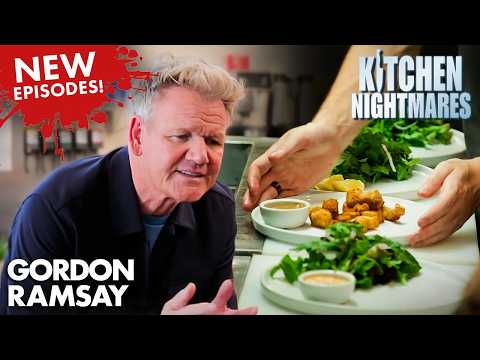
Can Gordon Ramsay Really Inspire Restaurant Turnarounds?
Yes. Gordon Ramsay's approach to restaurant rescue focuses on three core changes: fixing kitchen operations, raising food quality standards, and rebuilding chef leadership. In the new Kitchen Nightmares season, struggling restaurants face honest feedback and practical solutions. The pattern is clear. When owners commit to change, restaurants recover. When they resist, they fail. Ramsay's method works because it addresses root causes, not just symptoms. Most failing restaurants suffer from poor kitchen management, inconsistent food quality, and weak staff morale. Fix those three areas, and the business turns around.
Kitchen Operations: The Foundation of Restaurant Success
A restaurant kitchen is only as good as its management systems. Ramsay walks into disaster zones daily. Dirty equipment. Expired ingredients. No organization. No accountability. The first step is always operational cleanup.
Kitchen organization saves time and money. Label everything. Establish proper storage. Create clear workflow zones. Implement daily prep checklists. Use an instant-read food thermometer to monitor food safety and cooking temperatures consistently. Temperature control prevents foodborne illness and ensures quality consistency.
Staff accountability matters enormously. Assign specific roles. Set measurable expectations. Hold people responsible. Train new staff properly. A kitchen with clear processes runs smoother, serves customers faster, and maintains better food quality. Ramsay often discovers that owners never trained their teams on basic standards. That changes immediately.
Consider hiring professional restaurant consultants to audit your kitchen. If you need help finding experienced kitchen improvement specialists in your area, check local services on It's Buzzing for qualified professionals who understand restaurant operations.
Food Quality: The Reason Customers Return (or Don't)
Bad food destroys restaurants. Frozen ingredients passed off as fresh. Underseasoned dishes. Inconsistent plates. Ramsay tastes every problem kitchen's food and usually finds the same issues: lack of quality control and no tasting standards.
Quality improvement starts with ingredient sourcing. Buy the best ingredients you can afford. Fresh beats frozen. Local beats shipped. Train your team to recognize quality. Establish tasting protocols. Every chef should taste every dish before it leaves the kitchen.
A proper chef's knife in 8-inch German steel improves food prep quality significantly. Dull knives bruise vegetables and slow down prep. Sharp tools lead to better ingredients and faster service. Pair that with quality cookware like a cast iron skillet set, pre-seasoned, which maintains consistent cooking temperatures and improves flavor development.
Create a signature dish and perfect it. Train everyone to cook it identically. This builds customer trust and becomes your restaurant's identity. Consistency wins loyalty.
Chef Mentorship: Building Leadership That Lasts
Restaurants fail when chefs lack leadership or inspiration. Ramsay's role in Kitchen Nightmares is often mentorship. He shows struggling chefs what excellence looks like. He holds them accountable. He believes in them when they don't believe in themselves.
Good chefs need ongoing development. Encourage cooking classes. Share industry knowledge. Celebrate wins. Acknowledge mistakes as learning opportunities. A chef who feels supported and challenged stays engaged and produces better food.
Use meal prep containers in 20-packs to standardize portions and simplify kitchen workflow. When systems remove friction, chefs focus on quality instead of scrambling. Organization creates space for inspiration.
Mentorship also means hiring right. Recruit chefs with strong fundamentals and positive attitudes. Avoid brilliant but toxic personalities. Culture matters. A positive kitchen produces better food and better service.
The Bottom Line: Change Requires Commitment
Gordon Ramsay's restaurant rescues work because he forces owners and chefs to face reality and take action. Kitchen operations improve through systems and accountability. Food quality rises when standards are set and maintained. Chef mentorship inspires the team to believe change is possible. These three elements work together. Ignore one, and the restaurant struggles again. Execute all three, and recovery happens. The new Kitchen Nightmares season shows this pattern repeatedly. Restaurants that implement these changes survive and thrive. Those that resist eventually close. The choice belongs to the owner and chef. Gordon just shows them the path.