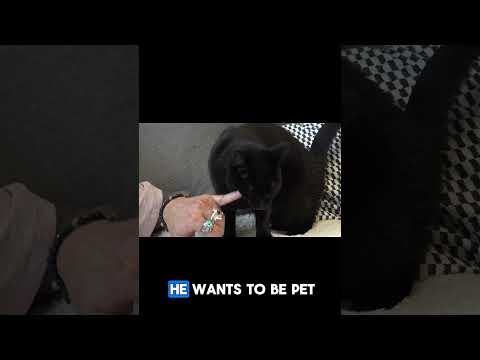
The Core Truth: Cats Need Space, Not Attention
The fastest way to make a cat dislike you is to insist on their affection. Cats are independent animals. They don't respond to pressure like dogs do. When you chase them, corner them, or force petting, they see you as a threat. Stop insisting. The irony is that ignoring a cat often makes them come to you. Let them set the pace. This is the foundation of every successful cat-human relationship.
Understanding Cat Body Language
You need to read what your cat is actually saying. Cats communicate constantly through their body and behavior. A cat with flattened ears, a swishing tail, or a tense body is telling you to back off. A slow blink means they trust you. Relaxed whiskers and a soft gaze mean they're comfortable. Learn these signals and respect them.
The ears are especially telling. Forward, alert ears mean curiosity. Pinned-back ears signal fear or irritation. When a cat's tail is wrapped around their body, they're anxious. A tail held upright and relaxed is confidence. Watch your cat's rear end too. A raised rear end with a relaxed tail is an invitation for interaction.
The key is responding appropriately. If your cat shows stress signals, give them space immediately. Don't take it personally. They're just communicating their boundaries. This respect builds trust faster than any forced interaction ever could.
Create the Right Environment for Trust
Trust grows when cats feel safe and in control. Set up your home to support this. Provide vertical space where cats can observe without being observed. A cat tree tower with scratching post gives them elevated spots to retreat to and scratching surfaces that reduce stress.
Remove obstacles to their comfort. A clean, accessible self-cleaning cat litter box in a quiet location shows you respect their bathroom privacy. Keep food and water bowls separate and in calm areas, away from high-traffic zones.
Playtime matters more than you think. Use interactive cat wand toys to let them hunt and burn energy on their terms. Play sessions build bonding without forced physical contact. Let them decide when playtime ends.
Nutrition also impacts behavior and temperament. Feed quality high-protein cat food grain-free options to keep them healthy and satisfied. A well-nourished cat is a happier cat.
The Patience Game: Let Them Come to You
This is harder than it sounds. You have to genuinely not care if the cat likes you. That's when they realize you're safe. Sit on the floor or ground level. Make yourself smaller and less threatening. Let them approach. If they rub against you, that's earned affection. If they don't, that's fine.
Use what's called the slow blink technique. Blink slowly at your cat from across the room. If they blink back slowly, that's trust communication. This costs nothing and works.
Every cat has a different timeline. Some warm up in days. Others take months. Some cats are naturally reserved and never become lap cats. That's okay. Your job is respecting their personality, not changing it.
Building genuine trust with cats is about reading signals, respecting boundaries, and creating safe spaces. Stop pushing. Start observing. Stop insisting. Start inviting. The cat will decide if you're worth liking. When you get out of your own way, most cats will choose you.