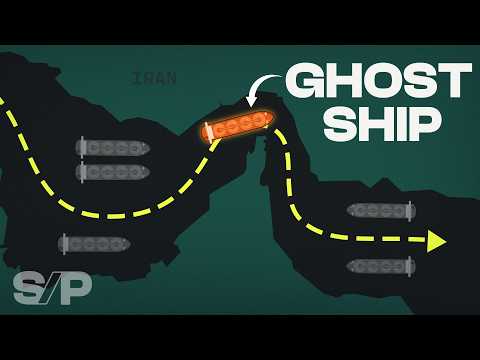
What Are Shadow Fleet Ships and How Do They Get Through?
Shadow fleet vessels are ships operating outside official tracking systems to evade sanctions and regulations. They slip through major straits by disabling automatic identification systems (AIS), switching vessel names, using flag changes, and operating during poor visibility. These tactics allow them to avoid detection by authorities monitoring critical chokepoints like the Strait of Hormuz, Malacca Strait, and Panama Canal. The practice costs governments billions in lost revenue and creates significant maritime security risks.
Understanding Vessel Tracking Systems and Their Gaps
Modern maritime tracking relies on several technologies. The Automatic Identification System (AIS) broadcasts a ship's location, speed, and identity to other vessels and coastal authorities. However, ships can legally disable AIS in international waters, creating blind spots. Satellite imaging and radar provide backup detection, but coverage is incomplete in remote ocean regions.
Shadow fleet operators exploit these gaps strategically. They turn off AIS in open ocean, make course changes in areas with poor surveillance, and coordinate with other vessels to mask their movements. Some ships use multiple transponders or spoof signals to confuse tracking authorities. The result is a network of vessels that technically comply with regulations by appearing offline rather than breaking rules while transmitting false data.
Identifying these vessels requires combining multiple data sources. Insurance records, port visits, crew communications, and financial transactions all provide clues. Intelligence agencies analyze patterns to flag suspicious activity. Owners often use complex corporate structures and shell companies to obscure ownership, making attribution difficult even after detection.
Critical Strait Navigation and Control Points
Certain maritime routes concentrate traffic into narrow passages where detection is hardest to avoid. The Strait of Hormuz handles nearly 30% of global seaborne oil. The Strait of Malacca connects the Indian Ocean to the Pacific. The Suez Canal and Panama Canal function as essential choke points for global trade.
Shadow fleet operators face real obstacles in these areas. Straits have mandatory reporting systems. Coastal nations deploy naval vessels and monitoring stations. Some straits require pilot assistance or transit approvals. A ship cannot simply disappear through these passages.
Operators overcome these challenges through timing and coordination. They pass through during peak traffic periods when vessels blend into heavy shipping lanes. Some pay officials at smaller ports for transit clearance without full inspections. Others time passages when weather conditions reduce surveillance effectiveness. International cooperation between naval forces has improved detection, but enforcement remains inconsistent across different straits and nations.
Identifying and Countering Shadow Fleet Operations
Detecting shadow fleet vessels requires advanced technology and human intelligence. Satellite imagery providers now offer real-time ship tracking that supplements AIS. Machine learning algorithms identify behavioral patterns consistent with evasion tactics. Port authorities examine cargo manifests and crew documentation for inconsistencies.
Financial tracking provides another detection layer. Banks and shipping companies flag transactions linked to sanctioned entities. Insurance companies refuse to cover suspicious voyages. These commercial pressures create indirect enforcement even when direct surveillance fails.
If you work in maritime logistics or shipping compliance, staying current with detection methods matters significantly. Consider exploring resources through Explore Industries to find specialized consulting services or compliance tools relevant to your sector. Many maritime security firms now offer vessel monitoring subscriptions and AIS analysis platforms that help legitimate operators maintain transparency and distance themselves from shadow fleet activities.
The challenge for authorities lies in balancing legitimate shipping freedom with security enforcement. Honest operators often face stricter scrutiny. Shadow fleet vessels exploit this tension by looking superficially normal while hiding their true movements.
What This Means for Global Maritime Security
Shadow fleet operations undermine international sanctions, distort shipping markets, and create environmental risks. Older vessels operating without regulation tend to have poor maintenance, increasing spill risks. Detection technology improves constantly, but operators adapt faster than regulations change.
The maritime industry benefits when legitimate shippers maintain transparent operations and use certified tracking systems. Supporting businesses that prioritize compliance helps shift market incentives away from shadow fleet operations. You can contribute to this shift by choosing carriers with strong tracking records and transparent ownership structures.