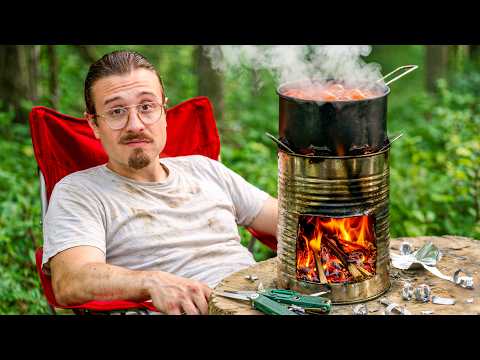
Do Wilderness Cooking Hacks Actually Work?
Yes. The best wilderness cooking hacks simplify meal prep in the backcountry while saving time and fuel. Real-world testing shows that mastering heat control, using the right tools, and prepping ingredients before you leave home makes a dramatic difference. These proven techniques work whether you're car camping or backpacking.
Master Heat Control with Cast Iron
Cast iron is the gold standard for wilderness cooking. It distributes heat evenly, works over open flames, and improves with age. A cast iron skillet set (pre-seasoned) eliminates the guesswork. Pre-seasoned sets arrive ready to use, so you don't waste time on maintenance in camp.
The hack here is understanding temperature zones. Create hot and cool spots by positioning your cookware off to the side of flames rather than directly over them. This gives you better control over cooking speed. Preheat your skillet for five minutes before cooking proteins. You'll develop a crust faster and lock in moisture.
Cast iron holds heat longer than aluminum, which means your food stays warm while you prep sides. Bring a small silicone heat-resistant mitt or cloth for handling hot handles.
Prep and Cut Like a Pro
Knife skills matter more in the wilderness than at home. Dull blades require more pressure and increase accident risk when you're tired. Bring a sharp chef's knife (8-inch German steel) designed to hold an edge through multiple trips.
The real hack is pre-cutting vegetables and proteins at home. Store them in vacuum-sealed bags or airtight containers. This saves camp time and reduces the energy you spend on repetitive cutting motions. When you arrive, your ingredients are ready to go straight into the pan.
Keep your knife sharp using a portable sharpening steel or whetstone. A five-second touch-up before cooking makes slicing meat and vegetables effortless. Store your blade in a knife guard or sheath to protect both the edge and yourself.
Monitor Temperature Precisely
Guessing when meat is done leads to either raw centers or overcooked dinners. An instant-read food thermometer removes all doubt and cooks food safely over inconsistent campfire heat.
Insert the probe into the thickest part of the meat without touching bone. Wait three seconds for an accurate reading. Chicken reaches safe doneness at 165°F. Ground meat needs 160°F. Steaks taste best at 130-135°F for medium-rare.
This tool is lightweight, battery-powered, and takes up minimal pack space. It prevents foodborne illness and improves meal quality instantly. No more cutting into meat to check doneness and losing precious juices.
Use Modern Pressure Cooking for Tough Conditions
Cold temperatures and high altitude affect cooking times. An Instant Pot Duo 7-in-1 pressure cooker works anywhere you have a power source or camping generator. It cooks beans, tough cuts of meat, and grains 70% faster than traditional methods.
Pressure cooking reduces fuel consumption, a major advantage when fuel is limited or expensive. The sealed environment traps moisture and flavor. You can make pulled pork, chili, or risotto in under 30 minutes.
For backcountry trips without power, bring a lightweight camping pressure cooker designed for stovetops. These work the same way but don't require electricity.
Plan Meals Before You Leave
The biggest cooking hack is planning. Write down every meal, snack, and drink. Calculate portions. Buy and prep ingredients at home. Pack them in labeled containers or bags.
This eliminates decision fatigue and prevents food waste. You know exactly what you're cooking and how long it takes. Unexpected hunger or appetite changes won't derail your trip.
Conclusion
Wilderness cooking hacks work because they address real camp challenges: limited tools, inconsistent heat, and fatigue. Master heat control with quality cast iron, prep at home, use sharp knives and thermometers, and plan every meal. These techniques transform outdoor cooking from stressful to enjoyable. Your next camping trip will taste better and run smoother.