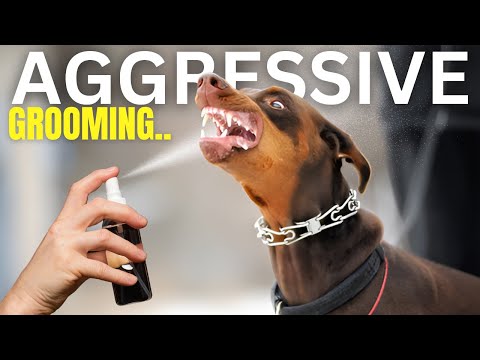
How to Groom an Aggressive Dog: The Direct Answer
Grooming an aggressive dog requires patience, the right tools, and smart handling techniques. Start by securing your dog with an adjustable no-pull dog harness to maintain control. Use positive reinforcement with natural dog training treats to build trust. Take breaks between grooming sessions. Never force the process. If your dog shows severe aggression, consult a professional groomer or veterinarian first.
Understand Your Dog's Aggression Triggers
Before you start grooming, identify what makes your dog anxious or aggressive. Some dogs react to specific tools. Others fear water or being touched in certain areas. Pay attention to body language. Stiff posture, bared teeth, growling, and pinned-back ears are warning signs.
Create a calm environment. Groom in a quiet space away from distractions. Keep other pets separated. Reduce stress by grooming during calm times of day, not when your dog is already excited or anxious.
Start with short sessions. A five-minute grooming session is better than forcing a thirty-minute struggle. Your goal is building positive associations with grooming, not completing the entire job in one session.
Master Safe Handling and Control Techniques
Control is essential when working with aggressive dogs. Use an adjustable no-pull dog harness to maintain safe handling during grooming. Never rely on just a collar, which can encourage pulling and create more tension.
Position your dog on a stable surface. An orthopedic dog bed works well for ground-level grooming and keeps your dog comfortable. For table grooming, use a non-slip grooming mat to prevent sliding, which increases anxiety.
Handle your dog's paws and sensitive areas slowly. Let your dog sniff grooming tools before using them. Reward calm behavior with natural dog training treats frequently. This teaches your dog that grooming means good things happen.
If your dog snaps or shows aggression, stop immediately. Never punish aggressive behavior during grooming. This increases fear and aggression. Instead, take a break and try again later with a shorter session.
Choose the Right Grooming Tools and Safety Practices
Quality grooming tools make the job faster and less stressful. Invest in a high-quality dog grooming brush and deshedder designed for your dog's coat type. Cheap tools snag hair and pull, which increases pain and aggression.
Start with tools your dog tolerates best. Many aggressive dogs do better with brushing before bathing. If your dog hates nail clippers, use a grinder instead. There are usually alternatives to try.
Keep grooming sessions short and positive. Use treats as rewards for allowing grooming. Don't restrain your dog too tightly, which creates panic. Always have an escape plan if your dog becomes too aggressive.
Consider hiring a professional groomer experienced with aggressive dogs. Find local service professionals near you who specialize in difficult dogs. Some situations require professional expertise to keep both you and your dog safe.
When to Call a Professional
Not every owner should groom an aggressive dog alone. If your dog has bitten anyone during grooming attempts, stop trying and call a professional immediately. Groomers with experience handling aggressive dogs have special techniques and equipment.
Your veterinarian can also recommend sedation options for severe cases. This keeps your dog safe and calm during necessary grooming. It's not a failure to ask for help. Safety comes first.
Final Thoughts
Grooming an aggressive dog takes patience and the right approach. Start small, use positive reinforcement, and invest in quality tools. Build trust slowly. Many aggressive dogs improve with consistent, gentle handling over time. If you need support finding a professional groomer in your area, check out local services available near you today.