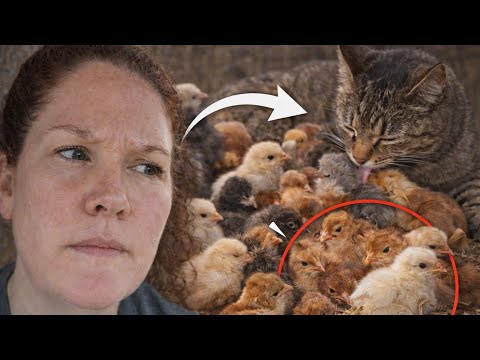
What Happens When Baby Animals Multiply Too Fast?
When breeding animals on your homestead or farm, things escalate quickly. Without a plan, you'll find yourself overwhelmed with dozens of babies consuming resources faster than you anticipated. The key is preparing before breeding season hits. You need housing, food systems, veterinary care, and a clear strategy for each animal born. Most beginners underestimate how rapidly populations grow and how demanding newborns become.
Prepare Your Infrastructure Before Breeding Season
The first mistake people make is not building adequate housing and feeding systems before animals arrive. Baby animals require separate spaces from adults. They need protection from predators and weather.
Start by assessing your current setup. Do you have enough shelter? Is your fencing secure? A solar-powered electric fence is an affordable way to create temporary containment zones without running electrical lines. This keeps babies safe and separated from adults during critical early weeks.
Next, invest in efficient feeding systems. Hand-feeding dozens of babies daily becomes impossible. A chicken waterer and feeder combo saves tremendous time and reduces waste. Even if you're raising larger livestock, automatic watering systems cut your daily workload significantly.
Finally, plan for food storage. Baby animals eat constantly. Calculate how much feed you'll need for the entire season and purchase ahead. Don't get caught short in month three when every animal is eating double what they consumed as newborns.
Implement Practical Population Management Strategies
You have several options to prevent populations from spiraling out of control. The simplest approach is selective breeding. Only breed your healthiest, most productive animals. This ensures you're not raising subpar genetics that will cost more to maintain.
Another strategy is staggering breeding cycles. Don't breed all animals at once. If your goats kid in spring and fall instead of spring only, you'll manage workload better and have steady income throughout the year instead of feast-or-famine patterns.
Consider the purpose of each animal. Are you breeding for meat, milk, eggs, or profit? If an animal doesn't align with your goals, don't breed it. Every mouth to feed costs money and time.
Culling is necessary but difficult for beginners. Not every baby survives or should survive. Animals with health issues, poor genetics, or behavioral problems shouldn't enter your breeding stock. Make these decisions early before emotional attachment grows.
Talk to experienced farmers in your area. Find local service pros near you who specialize in animal husbandry. Many offer mentoring or consultation services that pay for themselves through better management decisions.
Daily Care Systems That Scale With Baby Animals
Newborns require constant attention. Feeding schedules, health monitoring, and socialization demand time daily. Create systems that scale as your population grows.
Set up a feeding station where all supplies are organized and within arm's reach. Use checklists to track which animals have eaten, received medications, or need attention. This prevents mistakes and saves mental energy.
Invest in quality tools now. Good feeders, waterers, and cleaning equipment make the difference between sustainable care and burnout. A raised garden bed in cedar can grow supplemental feed like greens or fodder to reduce purchased grain costs as populations grow.
Monitor health closely during early weeks. Baby animals are vulnerable to disease. Have veterinary contacts ready before emergencies happen. Know the signs of common illnesses for your species.
Keep detailed records. Track birth dates, weights, vaccinations, and parentage. This information becomes invaluable when making breeding decisions next season.
Plan for Long-Term Sustainability
Baby animals grow fast. In months, you'll make decisions about keeping or selling them. Be clear on your exit strategy beforehand.
Will you process animals for meat? Do you have slaughter facilities or trusted processors? Will you sell breeding stock? Then you need a marketing plan and customer database before the first baby arrives.
Growing food and animals sustainably requires planning. A heirloom seed vault with non-GMO varieties ensures you can produce supplemental feed and reduce costs long-term.
Rapid population growth is manageable with preparation, good systems, and realistic expectations. Start small, document everything, and scale only when you're confident in your processes.