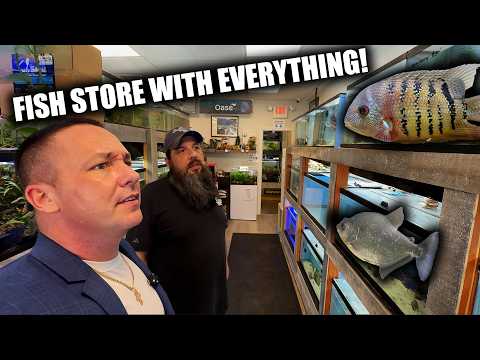
What to Look for When Choosing Fish at Your Local Aquarium Store
Visiting a local aquarium fish store gives you the chance to inspect fish before buying them. Healthy fish have clear eyes, intact fins, and active behavior. Avoid fish with spots, torn fins, or fish that hide in corners. Good fish stores organize tanks by species and water type. This makes it easy to find compatible fish for your setup. The staff can answer questions about water temperature, tank size, and feeding habits. Shopping locally also supports your community. Check out the Buy Local Directory to find aquarium shops near you.
Essential Equipment for Your New Aquatic Pets
Before bringing fish home, you need the right gear. A reliable filtration system keeps water clean and safe. Look for a canister filter for aquarium if you have a larger tank. It provides superior mechanical and biological filtration.
Temperature control matters too. Most freshwater fish need stable water between 72-78 degrees Fahrenheit. An aquarium heater (100W) keeps your tank at the right temperature year-round.
Lighting affects fish behavior and plant growth. If you plan to add live plants, invest in an LED planted tank light. LEDs use less electricity and produce the right spectrum for plant photosynthesis.
Test your water regularly. The API Freshwater Master Test Kit measures ammonia, nitrite, nitrate, and pH levels. These numbers tell you if your tank is safe for fish.
Matching Fish Species to Your Tank
Not all fish live together peacefully. Some fish are territorial. Others are aggressive hunters. The staff at your local fish store can guide you on compatibility.
Consider tank size carefully. A 10-gallon tank suits small fish like tetras and danios. Larger fish like goldfish and plecos need 20 gallons or more. Overstocking leads to poor water quality and stressed fish.
Research water chemistry too. Some fish prefer acidic water. Others need neutral or slightly alkaline conditions. Bettas and tetras like softer, acidic water. Cichlids prefer harder, more alkaline conditions. Mixing incompatible species creates stress and disease.
Ask the store owner about feeding habits. Some fish eat algae. Others need live food. Many do well on pellets or flakes. Understanding diet helps you maintain a balanced tank and keep your fish healthy long-term.
Fishkeeping Tips from the Experts
Experienced aquarists follow simple rules. Never add all fish at once. Introduce new fish slowly over weeks. This lets your filter develop beneficial bacteria that handle waste.
Feed fish once or twice daily. Give them only what they eat in two minutes. Overfeeding creates excess waste and fouls your water.
Do partial water changes weekly. Remove 25 to 30 percent of the water and replace it with fresh, dechlorinated water. This removes nitrates and keeps parameters stable.
Observe your fish daily. Healthy fish eat promptly and swim actively. If fish stop eating or hide constantly, something is wrong. Check water parameters with your test kit and adjust as needed.
Join local aquarium clubs to learn from other hobbyists. Many areas have clubs that meet monthly and share tips. These communities help beginners avoid costly mistakes.
Support Local Aquarium Businesses
Your neighborhood aquarium store is more than a shop. The staff has real expertise. They know which fish arrive healthy and which tend to have problems. They can recommend products suited to your specific tank setup.
Local fish stores also offer services like tank maintenance and fish care consultations. When you buy locally, your money supports jobs and expertise in your community. Next time you need supplies or advice, visit your neighborhood aquarium shop first.
Conclusion
Choosing the right fish starts with a quality local aquarium store. Pick healthy fish that match your tank size and water chemistry. Stock your setup with proper filtration, heating, and lighting. Follow basic fishkeeping rules and test your water regularly. With the right approach, you will enjoy healthy, beautiful aquatic pets for years.