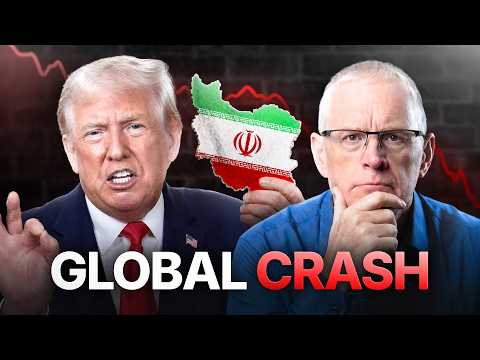
Is the Global Economy Actually Breaking?
The global economy faces real pressures. Supply chains remain fragile. Debt levels hit records. Currency volatility increases. Central banks shift policy. These aren't opinions. They're measurable facts. The question isn't whether instability exists. It's whether you're prepared for it. Financial preparedness starts with understanding what's at stake and taking concrete action today.
Understanding the Economic Instability
Multiple economic warning signs flash simultaneously. Inflation persists despite interest rate hikes. Banking sector stress emerged in 2023. Government debt continues climbing globally. International trade tensions rise. Energy markets remain volatile. These factors don't exist in isolation. They compound each other.
The International Monetary Fund has repeatedly warned about global growth slowdown. Credit markets show stress signals. Corporate defaults increase in some sectors. Real estate markets cool dramatically in key regions. Unemployment remains low in developed nations, but job quality deteriorates. Wage growth fails to keep pace with living costs for many workers.
This isn't doom. It's reality. Understanding these conditions helps you make better financial decisions today. You can't control global events. You can control your response to them.
Build Your Financial Foundation First
Start with the basics. Most people skip this step. They lose money because of it.
Create a budget that actually works. Track where money goes. Cut expenses ruthlessly. Build a three to six month emergency fund. This takes discipline. Tools like a Budget Planner & Finance Binder make the process simpler and more visible. Written budgets have higher success rates than mental tracking.
Pay down high-interest debt aggressively. Credit card debt kills wealth building. Eliminate it first. Then tackle other debts strategically. The psychology of money matters here. Your relationship with spending and saving determines outcomes more than income level. Read The Psychology of Money to understand your own patterns and biases.
Automate your savings. Set transfers to happen automatically after payday. You won't miss money you never see. Start small if needed. Five percent of income beats zero percent every time.
Diversify Income and Strengthen Skills
Single income sources carry risk. Job loss during economic downturns causes real harm. Develop secondary income streams now.
Identify skills you can monetize. Freelance work, consulting, teaching, crafts, or service provision all create options. Start small. Test your market. Scale what works. You might join the It's Buzzing Ambassador Program to earn extra income while supporting local businesses in your community.
Invest in yourself continuously. Take courses. Learn new tools. Build certifications. These investments pay dividends during uncertain times. Employers value adaptable workers. Clients seek skilled freelancers. Economic pressure increases demand for people who can solve problems efficiently.
Read books that teach practical wealth building. I Will Teach You to Be Rich provides actionable steps beyond theory. The Millionaire Next Door shows that real wealth comes from ordinary people with disciplined habits, not lottery winners or inheritance.
Invest Strategically for Stability
Don't panic. Don't time markets. Instead, invest consistently in diversified assets.
Prioritize retirement accounts first. Tax advantages compound over time. Employer matches are free money. Contribute enough to capture them. Then add taxable brokerage accounts.
Build a diversified portfolio. Stocks, bonds, real estate, and commodities serve different roles. Stocks offer growth. Bonds provide stability. Real estate generates income and inflation protection. Cash covers emergencies. Allocate based on your timeline and risk tolerance.
Reduce expensive habits. Subscriptions. Premium services. Luxury goods. These feel small individually. They add up to thousands annually. Redirect that money to wealth building instead.
Conclusion: Prepare Without Panic
Economic instability is real. Preparing for it is rational. Start today with budgeting, debt reduction, and emergency funds. Build secondary income streams. Invest consistently and diversified. Strengthen your skills. Support your local community and economy.
You cannot predict exactly what happens globally. You can predict what happens to people who ignore warning signs versus those who prepare. Preparation wins. Start this week.