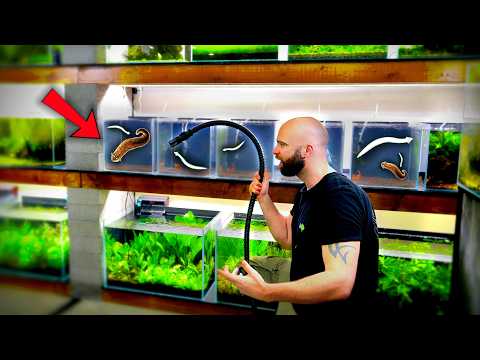
What Causes Planaria and How to Treat It
Planaria are small flatworms that thrive in aquariums with excess organic matter and poor water conditions. They multiply rapidly and can stress shrimp and fish. The main cause is overfeeding, dead plant material, and inadequate water flow. To treat planaria, first reduce feeding and remove visible debris. Next, perform daily 30-50% water changes for two weeks. Test your water parameters with an API Freshwater Master Test Kit to ensure ammonia and nitrite stay at zero. Finally, improve water circulation using a quality canister filter for your aquarium to eliminate dead zones where planaria hide.
Setting Up Multiple Shrimp Tanks Correctly
When expanding to 5 or more shrimp tanks, consistency matters. Each tank needs identical parameters for easier management. Start with a minimum of 5 gallons per tank. Shrimp prefer temperatures between 65-75 degrees Fahrenheit. Use an adjustable 100W aquarium heater to maintain stable warmth, especially in colder climates. Install your canister filter on each tank to process waste efficiently. Add sponge filters as backup mechanical filtration. Use inert substrate like sand or soil to avoid altering pH. Test each tank weekly with the API Freshwater Master Test Kit to catch issues early.
Plant Care for 100+ Plants Across Multiple Tanks
Managing over 100 aquatic plants requires planning. Choose low-light plants like Anubias, Java Fern, and Moss if you're new to planted tanks. High-demand plants need strong lighting. Invest in an LED planted tank light for each setup. Run lights 8-10 hours daily to prevent algae blooms. Dosing fertilizers helps with nutrient-heavy plants. Liquid all-in-one fertilizers work well for smaller planted tanks. Shrimp and plant waste provide natural nitrogen, so start slow with additional fertilizers. Trim plants monthly to encourage growth and maintain tank aesthetics. Remove dead leaves immediately to prevent planaria outbreaks. Propagate healthy plants to fill empty spaces quickly.
Maintaining Water Quality Across Multiple Systems
Running 5+ tanks means staying organized with water changes. Create a maintenance schedule. Change 25-30% of water in each tank weekly. Document results from your API Freshwater Master Test Kit in a simple spreadsheet. This helps you spot trends early. Invest in quality equipment from the start. Cheap filters fail and cause crashes. Your canister filter should handle 4-5 times the tank volume per hour for planted setups. Stack tanks vertically if space is limited. Use airline tubing to connect sponge filters to a central air pump. This saves money and reduces clutter. Keep spare filter media and heaters on hand. Equipment fails when you least expect it.
Preventing Future Planaria Issues
Prevention beats treatment every time. Avoid introducing planaria through new plants and hardscape. Quarantine new additions for 2-3 weeks. Feed only what shrimp and fish consume in 2-3 minutes. Excess food decays and triggers planaria blooms. Maintain consistent water parameters. Use your API Freshwater Master Test Kit bi-weekly on established tanks. Good lighting prevents algae, which can feed planaria indirectly. Run your LED light on a timer for consistency. Remove mulm and decaying leaves during water changes. Strong water flow from your canister filter keeps the substrate clean.
Conclusion
Managing multiple shrimp tanks with 100+ plants is achievable with proper setup and maintenance. Focus on water quality, filtration, and plant health to prevent planaria. Test regularly, change water on schedule, and invest in reliable equipment. Your shrimp will thrive in a clean, stable environment. Start small, document everything, and scale gradually.