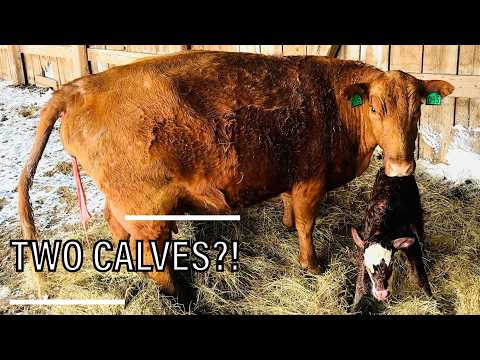
Winter Calving Management: What You Need to Know
Winter calving brings unique challenges. Snowstorms, freezing temperatures, and unpredictable weather patterns demand preparation. The key is having a solid shelter system, organized barn space, and a calm response plan when surprises happen. Calving during winter requires constant monitoring, proper barn setup, and contingency plans for emergencies. Your livestock depend on consistent care through the coldest months.
Preparing Your Barn for Calving Season
Barn organization starts months before calving season arrives. You need dedicated calving pens separated from the main herd. These pens should be clean, dry, and well-ventilated without drafts. Straw bedding is essential. Change it frequently to prevent infection and keep newborns warm.
Your barn layout matters. Position calving pens near your workspace so you can monitor cows without disturbing them excessively. Keep essential supplies within arm's reach: towels, disinfectant, gloves, and emergency contact numbers for your veterinarian. Poor organization wastes precious time during an emergency.
Lighting is critical. Install reliable barn lights so you can see clearly during early morning or evening births. Motion-sensor lights work well for nighttime checks. Keep your workspace tidy and your tools accessible. A Heavy-Duty Garden Tool Set with quality handles makes mucking out pens easier and faster.
Temperature control protects newborn calves. They lose body heat rapidly in cold barns. Consider heated water buckets and warming boxes for calves born during extreme cold. Ensure adequate bedding depth. A thick layer of straw insulates against concrete floors and protects joints during birth.
Managing Livestock During Snowstorms
Snowstorms during calving season require immediate action. Before winter arrives, stockpile extra hay, grain, and bedding. You might be snowed in for days without outside access. Calculate your feed needs and store 50% extra as a safety margin.
Keep livestock water systems unfrozen. Install tank heaters or check water several times daily. Dehydrated cows won't produce adequate milk for calves. Create windbreaks using straw bales or temporary fencing to reduce exposure during outdoor access.
Monitor weather forecasts closely during calving season. When heavy snow threatens, move pregnant cows into protected areas immediately. Don't wait until the storm arrives. You might find yourself unable to access certain barn areas or paddocks once snow accumulates.
Establish a routine for snowstorm checks. Visit your calving barn every two to four hours during active calving season. Bring a headlamp, phone, and first aid supplies. Check for signs of labor: restlessness, tail raising, mucus discharge, and udder filling. Early detection prevents complications.
Handling Unexpected Calving Surprises
Surprises happen in the shed. A cow might calve earlier than expected. Twins might arrive when you anticipated a single calf. Breach presentations require immediate veterinary help. Keep your veterinarian's emergency number posted prominently in the barn.
Some farmers discover unexpected health issues during calving season. A calf might be weak or unresponsive. The mother might reject the newborn. Have colostrum replacements and calf feeders available. If you're also managing poultry during winter, a Chicken Waterer and Feeder Combo ensures birds stay nourished during snowstorms too.
Train yourself to recognize dystocia signs. Prolonged labor, excessive straining, or visible hooves without progress indicate problems. Call your veterinarian immediately rather than waiting. Early intervention saves calves and mothers.
Document everything during calving season. Note birth dates, calf gender, birth weight if possible, and any complications. This record helps identify patterns and plan future seasons better. It also assists your veterinarian if health issues emerge later.
Building Community Support for Farm Success
Winter farming doesn't mean working alone. Connect with local agricultural groups and neighboring farmers. They understand seasonal challenges and can offer practical advice. If you need specialized help, Local Services on It's Buzzing can connect you with veterinarians, equipment repair specialists, and other farm professionals in your area.
Final Thoughts on Winter Calving
Winter calving management requires planning, organization, and flexibility. Prepare your barn thoroughly. Stock supplies generously. Monitor weather closely. Stay calm when surprises occur. Your preparation and quick response determine outcomes for your herd during the toughest season.