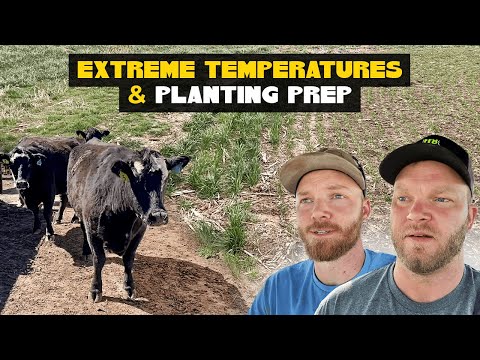
How to Farm in Extreme Temperatures: Planting and Cattle Management
Extreme temperatures test every farmer's skills and equipment. Whether you face scorching heat or brutal cold, success depends on preparation, timing, and the right tools. Farmers managing both crops and cattle need strategies that protect their investment while maintaining productivity. This guide covers practical solutions for planting in challenging weather and keeping livestock healthy year-round.
Preparing Your Crops for Extreme Temperature Planting
Temperature swings can damage seeds and young plants before they establish. Start with the right seed varieties for your climate. Heirloom seed varieties are often more resilient to temperature extremes than modern hybrids. Look for an Heirloom Seed Vault (Non-GMO) to build a collection suited to your region's weather patterns.
Timing matters more than ever in extreme weather. Plant early-maturing varieties in cooler climates to beat early frosts. In hot regions, choose heat-tolerant crops and plant during cooler months when possible. Monitor soil temperature, not just air temperature. Soil that's too cold won't germinate seeds. Soil that's too hot can dry out seedlings quickly.
Mulching protects plants from temperature swings. It keeps roots cooler in heat and warmer in cold. A Heavy-Duty Garden Tool Set makes applying and maintaining mulch easier on your back and faster to complete.
Irrigation becomes critical in extreme heat. Inconsistent watering stresses plants and invites disease. Drip systems deliver water directly to roots, reducing waste and keeping plants hydrated during hot days. In extreme cold, avoid overhead watering that can freeze on leaves and cause damage.
Managing Cattle Through Temperature Extremes
Cattle are vulnerable to both heat stress and cold stress. Each requires different management approaches. Heat-stressed cattle drink more, eat less, and gain weight slowly. Provide shade structures, ensure water is always available and cool, and adjust feeding schedules to cooler parts of the day.
Cold stress happens faster than most farmers expect. Wet cattle lose body heat rapidly. Provide shelter from wind and precipitation. Ensure adequate nutrition. Cold cattle burn extra calories maintaining body temperature. Increase hay and grain rations during extreme cold. Check water sources regularly to prevent freezing.
Monitor cattle behavior closely during temperature extremes. Lethargy, labored breathing, or reluctance to move signals stress. Separate affected animals and provide extra care. Young calves and older cattle need extra attention during extremes.
Clean water systems prevent disease during stressful conditions. In extreme heat, check water troughs twice daily. Algae grows quickly in warm water, and cattle may refuse to drink contaminated water. In extreme cold, heated waterers prevent ice formation and encourage drinking.
Farm Equipment and Tools for Extreme Weather Preparation
Proper equipment saves time and prevents injuries when working in extreme temperatures. Invest in quality tools that won't fail when you need them most. A Heavy-Duty Garden Tool Set handles both planting and general farm maintenance.
For livestock operations, consider upgrading water and feeding systems. A Chicken Waterer & Feeder Combo works for smaller livestock operations or as backup systems during equipment failures.
Plan maintenance schedules before extreme weather hits. Service tractors, generators, and irrigation equipment during mild seasons. Keep spare parts and fuel on hand.
Preserve Your Harvest for Long-Term Food Security
Successfully growing food in extreme temperatures means nothing if you can't preserve it. Canning extends your harvest season and provides food security. A Ball Mason Jar Canning Kit gives you everything needed to safely preserve vegetables, fruits, and meats from your farm.
Canning knowledge protects your family and adds value if you sell preserved goods. Start with easy projects like pickles and jams before attempting meat or low-acid vegetables.
Build Your Farming Community Network
Extreme weather farming is easier with support. Connect with other farmers facing similar challenges. Local agricultural extension offices offer free advice specific to your region. If you need specialized help, find local service pros near you who understand farming needs.
Farming in extreme temperatures demands preparation, flexibility, and reliable equipment. Start with climate-appropriate seeds, build proper shelter and water systems for cattle, and maintain your tools. Monitor conditions closely and adjust quickly when weather shifts. The farms that thrive in extreme temperatures are those managed by farmers who plan ahead and stay adaptable.