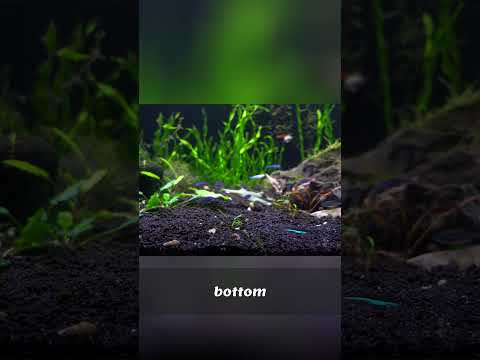
What Makes Schooling Fish Perfect for Your Aquarium?
Schooling fish create dynamic, mesmerizing displays that transform any aquarium into a living light show. These tiny swimmers instinctively move together in coordinated patterns, forming visual waves that captivate viewers. They're easier to care for than many solitary species, require less aggression management, and thrive in groups. Popular schooling options include tetras, danios, rasboras, and guppies. The key is understanding their specific needs: water parameters, tank size, lighting, and filtration. With the right setup, you'll have a stunning focal point that requires minimal daily intervention.
Setting Up the Perfect Tank for Schooling Fish
Start with tank size. Most schooling fish need at least 20 gallons for a healthy group. Smaller tanks create stress and poor water quality. Your aquarium should be longer rather than tall, allowing fish room to swim side-to-side in their natural schooling pattern.
Filtration is non-negotiable. A canister filter for aquarium provides superior water circulation and biological filtration compared to hang-on models. This keeps water parameters stable and maintains the oxygen levels schooling fish prefer.
Temperature control matters more than most beginners realize. Install an aquarium heater (100W) to maintain consistent warmth. Most schooling fish thrive between 74-78 degrees Fahrenheit. Temperature swings cause stress and disease.
Test your water weekly using an API Freshwater Master Test Kit. Track ammonia, nitrite, nitrate, and pH. This prevents the silent killers that crash fish populations. Many local aquarium stores offer testing services too, so explore local services on It's Buzzing if you prefer professional guidance.
Creating Stunning Tank Aesthetics
Lighting transforms schooling fish displays from ordinary to breathtaking. A LED planted tank light illuminates fish colors while supporting plant growth. LED lights consume less energy and produce minimal heat compared to older fluorescent models.
Add plants to your substrate. Live plants provide hiding spots, reduce stress, and create natural movement alongside your fish. Anubias and Java fern work well for low-light tanks. Ludwigia and rotala suit brighter setups.
Use natural substrate like sand or fine gravel. Dark substrates make schooling fish colors pop. The contrast between light-colored fish and dark backgrounds creates visual depth that photographs beautifully.
Include hardscape elements sparingly. A few rocks or driftwood pieces provide resting spots without cluttering the open swimming space schooling fish need. Keep the layout clean and minimalist for maximum visual impact.
Practical Fishkeeping Tips for Success
Feed schooling fish twice daily in small portions. Overfeeding causes water quality crashes. Use high-quality flake or pellet food appropriate to their mouth size. Feed only what they consume in two minutes.
Perform 25 percent water changes weekly. This removes accumulated waste and maintains stable parameters. Use a siphon to remove debris from the substrate simultaneously.
Introduce fish gradually. Never add your entire school at once. Start with half the intended group, wait two weeks, then add the remainder. This prevents ammonia spikes that overwhelm your biological filtration.
Quarantine new fish for two weeks before adding them to your main tank. This prevents disease introduction and stress to established populations.
Observe schooling patterns daily. Fish behavior reveals health status. If they're not schooling tightly or appear lethargic, water parameters likely need adjustment.
Conclusion
Schooling fish create living artwork that rewards proper care with stunning visual displays. Focus on stable water parameters, appropriate filtration, consistent lighting, and feeding discipline. These fundamentals take 15 minutes of daily attention and produce months of enjoyment. Start small, master the basics, then expand your setup. Your aquarium will light up in ways that make the effort worthwhile.