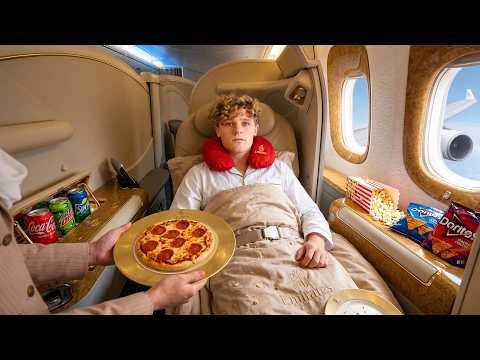
What You Need to Know About Airplane Food Across Classes
Airplane food quality varies dramatically depending on which class you fly. Economy passengers get basic, reheated meals in small portions. Business class offers hot entrees, better ingredients, and actual variety. First class delivers restaurant-quality dining with premium proteins, fresh sides, and proper plating. The difference isn't just portion size. It's preparation method, ingredient sourcing, and how much time flight crews spend on your meal. Budget airlines skip meals entirely. Full-service carriers invest heavily in premium cabins.
Economy Class: The Reality Check
Economy food is utilitarian. You're getting a sandwich, pasta, or chicken that was prepared hours ago and reheated on a cart. The bread feels stale. The protein tastes processed. Vegetables are soft from sitting in a container. Portions are small enough that you won't feel full afterward.
This isn't laziness from airlines. Economy cabins have 150-300 passengers. Logistics demand pre-plating and bulk preparation. Cold items actually taste better than hot ones in economy. Request the sandwich option instead of hot meals when available. You'll have a more pleasant experience.
The real problem: economy passengers have zero choice. You eat what's given or you don't eat. Bring your own snacks. Pack a better sandwich. Most travelers on long flights do this anyway. Airlines know their food won't impress you.
Business Class: The Sweet Spot
Business class food is where airlines actually try. Meals are prepared fresh before boarding or gently warmed rather than reheated from frozen stock. You get real proteins. Sides are seasonal vegetables, not canned. Bread is actually fresh. Portion sizes feel adult-sized.
The menu changes seasonally. Airlines partner with celebrity chefs to design business class meals. These are real dishes with flavor, not airplane food in the traditional sense. You'll recognize what you're eating. The presentation matters. Food comes on actual plates with proper utensils.
Choice matters here too. Business class offers multiple entree options. You select what sounds good instead of taking whatever appears on your tray. Dietary preferences get accommodated without fighting. This alone changes the experience significantly.
Business class passengers also get better timing. Meals arrive when you want them, not on the airline's schedule. You can sleep first, then eat. You can eat before the movie. You have control.
First Class: The Premium Experience
First class food resembles what you'd eat at a nice restaurant on the ground. Proteins are premium cuts. Preparation includes actual cooking techniques. Vegetables are fresh. Plating looks intentional. Chefs plate each meal individually rather than batch-preparing trays.
The menu reads like a dinner menu. You might see wagyu beef, lobster, or wild-caught fish. Sides change by airline and route. Wine and beverage pairings are included. Desserts are often made fresh onboard or sourced from quality bakeries.
First class also means timing flexibility. Flight attendants work with you personally. Want to eat now? They bring food immediately. Prefer to sleep? They'll serve you later. Need something not on the menu? Many airlines will accommodate special requests in first class.
The ritual matters too. First class meals include proper service. Attendants explain what you're eating. They ask about preferences. You feel like a guest being taken care of, not a passenger being processed.
Making Airplane Food Better
If you fly economy regularly, upgrade occasionally to understand what better tastes like. The experience shapes your travel expectations. You'll appreciate the differences and understand what you're paying for.
For business and first class travelers, arrive well-rested so you can actually enjoy the meal. Tired passengers barely taste food. Good meals deserve your full attention.
If you're building a travel business or considering becoming an airline ambassador, check out the It's Buzzing Ambassador Program to connect with other travel enthusiasts and earn while sharing your experiences.
The Bottom Line
Airplane food quality directly correlates to ticket price. Economy is functional fuel. Business class is actual dining. First class is luxury hospitality. This isn't a secret. Airlines design their menus around what each cabin will pay for. Expect accordingly. Your satisfaction depends on having realistic expectations about your ticket class and supporting quality service when you experience it.