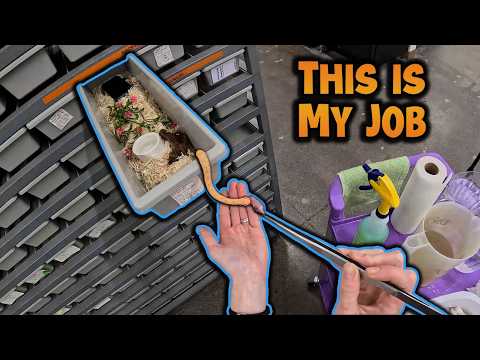
What Does a Reptile Curator Actually Do?
Being a reptile curator means managing the health, welfare, and daily operations of reptile collections at zoos and aquariums. Your day involves feeding, cleaning enclosures, monitoring animal behavior, conducting health checks, and educating the public. It's hands-on work that requires patience, attention to detail, and genuine passion for these animals. You're part caretaker, part scientist, and part educator.
Daily Husbandry and Animal Care
The backbone of reptile curation is husbandry. Every reptile species has specific temperature, humidity, and lighting requirements. Your morning starts with temperature checks across multiple enclosures. You'll adjust heat lamps, misters, and thermostats to match each species' needs. Snakes, lizards, and turtles all have different demands.
Feeding is another critical responsibility. You'll prepare food items appropriate for each animal. Some reptiles eat frozen-thawed prey for safety reasons. Others need live insects or vegetation. You document what each animal eats, how much they consume, and any changes in appetite, which are early warning signs of health issues.
Enclosure maintenance happens daily. You remove uneaten food, spot-clean waste, and refresh water sources. Weekly deep cleans are standard practice. This prevents bacterial growth and parasites. Cleanliness directly impacts whether your reptiles thrive or develop infections.
Health monitoring requires sharp observation skills. You watch for shedding problems, unusual behavior, weight changes, and signs of injury. Early detection of illness can mean the difference between recovery and loss. Many curators learn to recognize individual personalities and spot when something's off immediately.
Behind-the-Scenes Challenges and Practical Skills
Working with reptiles demands respect for their nature. You'll learn proper handling techniques for different species. Some snakes are docile. Others are defensive. Lizards can drop their tails as a defense mechanism. Understanding species-specific behavior prevents stress on animals and injury to you.
You'll also manage record-keeping systems. Modern zoos use digital databases to track feeding schedules, breeding information, medical history, and behavioral notes. These records help other facilities when animals transfer between institutions and assist veterinarians with treatment plans.
Problem-solving happens constantly. A heat lamp burns out during winter. A water filter clogs unexpectedly. You need to think on your feet and maintain optimal conditions despite interruptions. If you're managing a large facility, consider building relationships with local service professionals who can handle emergency repairs quickly.
Budget awareness matters too. Feeding costs, substrate replacement, and equipment maintenance add up. Experienced curators get skilled at sourcing supplies efficiently and planning seasonal needs ahead of time.
The Educational and Conservation Side
Modern reptile curators contribute to public education and conservation efforts. You'll give presentations to visitors, explain animal behaviors, and help people overcome reptile phobias. This education role influences how future generations view these misunderstood animals.
Many facilities participate in breeding programs for endangered species. You might be involved in coordinating with other institutions, managing genetic records, and raising offspring for potential reintroduction into the wild. This conservation work gives the role deeper purpose beyond daily animal care.
Supporting local conservation isn't just something zoos do. If you're passionate about this work, you can support wildlife businesses in your community that contribute to habitat preservation and research initiatives.
The Bottom Line
Being a reptile curator is rewarding but demanding. It requires early mornings, physical work, and unwavering dedication to animal welfare. You won't get rich doing this job. You do it because these animals matter and because their care directly impacts their quality of life and longevity.
If you're considering this career path, start by volunteering at local zoos or wildlife centers. Get hands-on experience. Learn species-specific care. Build relationships with established curators. The field needs people who view this work as a calling, not just a job.