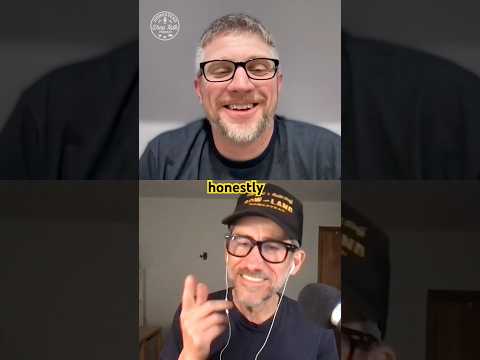
The Real Reason Jason Never Bought a Tractor (Yet)
Jason's farm operates without a tractor. Not because he can't afford one. Not because he doesn't know where to buy one. The real reason is simpler: he hasn't needed one. Most small farm and homestead owners face the same decision. A tractor seems like the ultimate farming tool. But it's expensive, requires maintenance, and takes up space. Before dropping $15,000 to $50,000+ on a new tractor, ask yourself this: what problems are you actually trying to solve? Jason found better answers.
The True Cost of Tractor Ownership
A tractor isn't just a purchase. It's an ongoing commitment. Tractors require regular maintenance, repairs, fuel, and storage space. A used tractor might seem cheaper upfront, but hidden costs add up fast. Engine work, tire replacement, and hydraulic repairs can cost thousands. Insurance adds another layer of expense. Financing a tractor means monthly payments for years.
For small operations, these costs don't make sense. If you're working less than 20 acres or doing light garden work, you're paying for capacity you'll never use. Jason calculated his actual needs and realized a tractor was overkill. He needed specific tools for specific tasks. Not a machine that does everything moderately well.
Smart Alternatives to Tractors for Small Farms
The key is matching your tools to your actual workload. Jason uses a combination of smaller equipment that costs far less and stores easier. A quality Heavy-Duty Garden Tool Set handles most digging and soil preparation work. For larger tasks, he rents equipment as needed. This approach gives flexibility without the overhead.
A walk-behind tiller works great for garden beds and small plots. A push mower or zero-turn mower handles grass maintenance without tractor-level investment. A utility ATV with a trailer provides transport for materials and equipment. For serious soil work, renting a mini excavator or skid steer loader for a day or two costs less than tractor ownership for a full year.
Jason also uses Raised Garden Beds for intensive growing. They reduce tilling needs and improve soil quality faster. Hand tools and strategic bed design replace what a tractor would handle with brute force.
Building a Sustainable Small Farm Without Heavy Equipment
Jason's approach focuses on sustainability, not scale. He grows food efficiently in smaller spaces. He raises chickens with a simple Chicken Waterer & Feeder Combo system. He stores seeds like an Heirloom Seed Vault for year-round planning. These investments pay dividends without requiring heavy machinery.
This model works because it's intentional. Every tool serves a purpose. Every expense connects to actual production or quality of life improvement. Jason doesn't buy equipment to look like a farmer. He buys tools that solve real problems on his land.
If you need help figuring out what equipment makes sense for your property, local experts can provide guidance. Check Local Services on It's Buzzing to find equipment rental companies, landscapers, or agricultural advisors in your area who can assess your specific needs.
When a Tractor Actually Makes Sense
This isn't an argument against tractors. If you manage 50+ acres, run a profitable farm operation, or need to move heavy loads regularly, a tractor makes financial sense. The math works differently at scale. But for homesteads, small gardens, and mini farms under 20 acres, the equation changes.
Jason's decision reflects honest assessment of his operation. He grows food for his family and small-scale sales. He maintains his land efficiently. He doesn't need what a tractor provides. Maybe you don't either. Start by listing your actual tasks. Calculate real costs. Then decide what tools genuinely serve your goals.
Equipment purchasing should be driven by need and economics. Not by tradition or what looks impressive. Jason proved that small farms thrive with the right mix of hand tools, strategic planning, and targeted equipment choices.