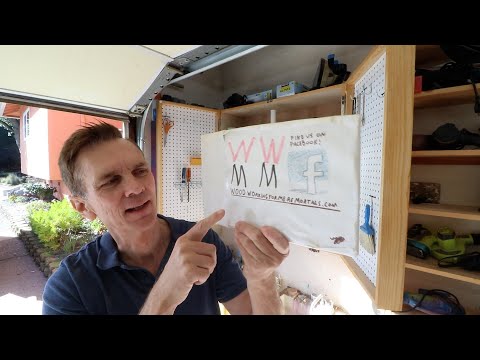
What Should You Keep in Your Shop Cabinet?
Your shop cabinet should hold the tools you use most often plus backup supplies. Start with measuring tools, fasteners, lubricants, and safety equipment. Add power tools like a random orbital sander for finishing work. Include clamps, jigs, and adhesives. Keep frequently used items at eye level and heavier tools on lower shelves. Store small parts in labeled containers. This setup cuts project time and reduces frustration.
Essential Workshop Tools Worth Cabinet Space
Not all tools deserve shelf space. Prioritize items that solve real problems in your work. A random orbital sander handles finishing faster than hand sanding. It belongs in your cabinet if you work with wood regularly. A quality carpenter clamp set is non-negotiable for assembly work. Clamps hold pieces steady while you join them. You'll use them on nearly every project.
The Kreg pocket-hole jig transforms how you build. It creates hidden joints that look professional. This tool pays for itself after a few projects. For finishing work, keep an epoxy resin kit on hand for repairs and decorative effects. These items solve specific problems and earn their cabinet real estate.
Smart Organization Strategies That Work
Your cabinet layout matters as much as what you store. Group tools by function. Keep all measuring devices together. Store all fasteners in one section. Keep finishing supplies separate from assembly tools. Use clear containers so you see what's inside without opening them. Label everything with waterproof tape. Label twice if it matters.
Vertical space is your friend. Use pegboards on cabinet doors to hang frequently used items. Install shelves at different heights to fit various tool sizes. Magnetic strips hold metal items securely. Drawer dividers prevent tools from shifting during transport. Heavy items go on bottom shelves. Lightweight items go on top. Your back will thank you.
Create a "grab and go" section for your most-used items. This small area holds your daily tools so you aren't digging through the whole cabinet. Change this section based on your current projects. During finishing work, keep your sander and sandpaper accessible. During assembly, move clamps and joinery tools forward.
Maintenance and Inventory Control
Your cabinet only works if you maintain it. Set a monthly review schedule. Check for tools that need cleaning or maintenance. Wipe down sawdust and debris. Replace dull bits and worn sandpaper. Keep a running list of items you've used up so you reorder before projects stall.
Photograph your organized cabinet when it's clean. Use this photo as your organizational reference. When tools migrate, you know where they belong. This simple step prevents gradual disorganization. Your future self will be grateful.
Consider your cabinet a living system, not a permanent setup. As your work changes, reorganize accordingly. New projects require new tools. Store items based on current needs. This keeps your workspace efficient year-round.
Get More from Your Shop Setup
Great organization saves time on every project. You find what you need immediately. You know what supplies are running low. Your work flows smoothly from start to finish. Invest in quality storage containers and labeling systems. The small cost pays dividends in productivity.
If you're building or remodeling your workshop space, find local service pros near you who can help design custom cabinetry. Professional builders can create storage that fits your specific tools and workflow. They understand workshop efficiency better than anyone. A well-designed cabinet system becomes the foundation of a productive shop.
Your shop cabinet should reflect your work style. Organize it the way that makes sense to you. Keep improving your system based on what you learn. A well-organized cabinet means less wasted time searching for tools and more time actually building. Start today with these strategies and watch your efficiency improve immediately.