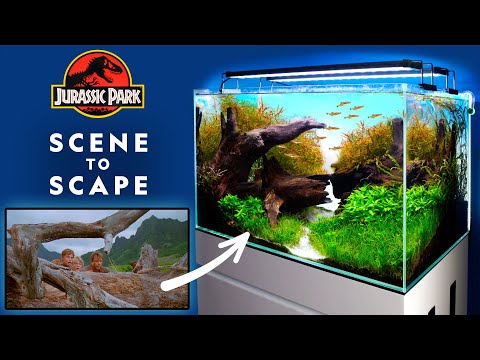
What Is a Jurassic Park Aquascape?
A Jurassic Park aquascape recreates the lush, prehistoric atmosphere from the films using aquatic plants, hardscape materials, and careful lighting. The goal is to build an underwater landscape that feels ancient and wild. Think dense vegetation, dramatic rock formations, and moody lighting that evokes dinosaur-era jungles. You can achieve this in a standard aquarium using the right plants, substrate, and equipment. It's about storytelling through design.
Design Your Hardscape Foundation
Start by choosing your hardscape materials. Large rocks, driftwood, and branches form the skeleton of your Jurassic Park theme. Stack rocks at angles to create cliff-like formations. Position driftwood to mimic fallen ancient trees. Aim for asymmetrical placement rather than centered layouts. This looks more natural and cinematic.
The substrate matters too. Use a nutrient-rich substrate as your base layer, topped with fine sand or gravel. This supports plant roots and creates visual depth. Dark substrates enhance the moody atmosphere you're going for. Consider adding height variation by building up substrate behind rocks. This creates landscape perspective even in a smaller tank.
Your hardscape layout should guide water flow and plant placement. Leave open areas for fish to swim while dense sections for plant growth. Think of it like creating trails through a prehistoric forest.
Select Plants and Create Density
Plant selection makes or breaks your aquascape. Choose a mix of tall background plants and smaller foreground varieties. Tall stems like Rotala, Ludwigia, and Alternanthera work well for creating height and drama. Mid-ground plants such as Anubias and Cryptocoryne add texture. Use low-growing carpet plants like Dwarf Hair Grass or Monte Carlo in open areas.
Layering plants creates depth. Background plants should be tall and dense. Mid-ground plants add dimension. Foreground plants lead the eye through the scape. This three-level approach mimics natural jungle topology.
Lighting is critical for plant health and aesthetic impact. A quality LED Planted Tank Light provides the spectrum plants need while creating dramatic shadows through your hardscape. Aim for 8-10 hours of daily lighting. This encourages growth without promoting excess algae.
Set Up Filtration and Water Parameters
A Canister Filter for Aquarium keeps water clean while creating gentle flow. This prevents disturbing your carefully arranged plants and substrate. Position the intake near the bottom and outlet higher up for optimal circulation.
Maintain stable water parameters for plant and fish health. An API Freshwater Master Test Kit lets you monitor ammonia, nitrite, nitrate, and pH levels. Test weekly during the first month, then bi-weekly after establishment. Aim for pH between 6.5 and 7.5 for most tropical plants.
Temperature control matters more than many beginners realize. A reliable Aquarium Heater (100W) maintains 72-76°F for most planted tanks. Consistent temperature reduces plant stress and prevents disease outbreaks.
Consider dosing fertilizers if your plants show signs of nutrient deficiency. Macronutrients like nitrogen and potassium are essential. Micronutrients including iron, boron, and zinc support vibrant coloration.
Add Fauna and Final Touches
Stock your Jurassic Park aquascape carefully. Choose fish species that complement the prehistoric vibe. Larger fish like severums or discus work well. Smaller schools of tetras or rasboras add movement through the foliage. Avoid aggressive species that uproot plants or damage your hardscape.
Add shrimp or snails for cleanup crew duties. They control algae while adding life to lower sections of your scape. This creates a balanced ecosystem that requires less maintenance long-term.
Lighting timing and intensity set the mood. Use a timer to maintain consistent photoperiods. Consider adding subtle background elements like printed backgrounds or black paint to tank walls. This frames your scape and hides equipment.
Bring Your Vision to Life
Building a Jurassic Park aquascape takes patience and attention to detail. Start with solid hardscape design, layer in plants strategically, and maintain proper water chemistry. The result is a living diorama that tells a prehistoric story. Your aquarium becomes a conversation piece that blends art, biology, and imagination.