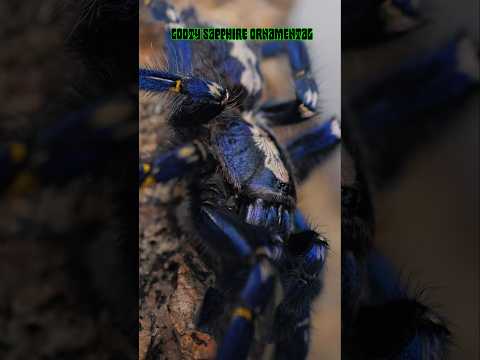
Are Tarantulas Actually Being Hypnotized? The Truth
No. Tarantulas are not being hypnotized when they appear frozen or unresponsive. What you're seeing is a natural defensive behavior called taxis or a stress response. When a tarantula goes still, it's either preparing to strike, conserving energy, or reacting to vibrations and threats in its environment. Understanding this behavior is crucial for anyone keeping these fascinating creatures as exotic pets.
What's Really Happening When Your Tarantula Freezes
Tarantulas have poor eyesight compared to other spiders. They rely heavily on detecting vibrations through the ground and air. When something startles them or they sense movement, they may freeze as a survival strategy. This makes them harder to detect by predators. The freezing response is involuntary and automatic, not a hypnotic state.
Some tarantula species also enter a rest phase where they appear motionless for extended periods. This is completely normal. They're digesting food, conserving energy, or simply resting between hunting cycles. As a tarantula owner, seeing your pet in this state means it's behaving exactly as it should.
Essential Tarantula Care for Exotic Pet Owners
Keeping a healthy tarantula requires understanding its specific needs. Temperature, humidity, and enclosure size matter significantly. Most tarantulas prefer temperatures between 70 and 80 degrees Fahrenheit. Humidity levels depend on the species. Arboreal tarantulas need higher humidity, while ground-dwelling species prefer drier conditions.
Enclosure setup is critical. Your tarantula needs space to move but not so much that it struggles to find prey. A hide or burrow spot reduces stress and makes your pet feel secure. Substrate depth varies by species. Ground dwellers need deeper substrate for burrowing, while arboreal species need height and climbing surfaces.
Feeding schedules are flexible. Adult tarantulas may eat only once every two weeks or even monthly. Younger specimens need more frequent feeding. Offer appropriately sized prey. Crickets and roaches work well. Remove uneaten prey within 24 hours to prevent injury to your tarantula. Fresh water in a shallow dish is essential.
Common Spider Behavior Myths Debunked
Beyond the hypnosis myth, several misconceptions exist about tarantula behavior. Many people think tarantulas are aggressive. In reality, they're defensive. A tarantula would rather hide than bite. Most bites occur when humans handle them carelessly or the spider feels directly threatened.
Another myth is that all tarantulas are dangerous. Tarantula venom is rarely harmful to humans. A bite might cause mild swelling or irritation similar to a bee sting, but serious reactions are extremely rare. Tarantulas are actually among the safest exotic pets you can own.
Some believe tarantulas need constant interaction. This is false. Tarantulas are solitary creatures. Excessive handling causes stress. Observe your pet from a distance and minimize handling. This keeps both you and your tarantula safe and happy.
If you're interested in exotic animal care or need professional advice, consider connecting with local experts. You can find local service pros near you who specialize in exotic pet care and can provide personalized guidance for your specific tarantula species.
Why Education Matters for Exotic Pet Owners
Understanding tarantula behavior prevents unnecessary fear and improves pet care quality. When you know what's normal, you recognize problems early. A tarantula that stops eating or becomes unusually aggressive might signal a health issue. Knowledge gives you the tools to respond appropriately.
Education also builds respect for these creatures. Tarantulas aren't mysterious or hypnotic. They're remarkable animals with fascinating adaptations. Their freezing response, web-building abilities, and hunting strategies represent millions of years of evolution. Appreciating this makes you a better pet owner.
Whether you're a beginner considering your first tarantula or an experienced keeper expanding your collection, continuous learning matters. Join online communities, watch educational videos, and read species-specific guides. The more you understand, the better you can provide for your pet's needs.
Conclusion
Tarantulas aren't being hypnotized. They're displaying natural behaviors shaped by evolution and survival instincts. By understanding these behaviors, you become equipped to care for them properly and appreciate them genuinely. Start your exotic pet journey with knowledge, patience, and respect for these incredible animals.