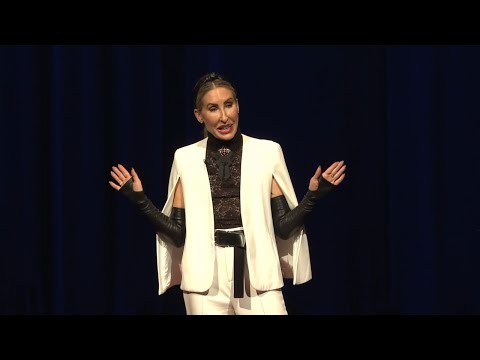
What Does "Going Flat" After Mastectomy Mean?
Going flat after mastectomy means choosing not to have breast reconstruction surgery following a mastectomy. Instead of implants or tissue grafts, some survivors opt for a flat chest closure. This decision is deeply personal. It's about reclaiming your body on your own terms. Erica Deligne's TEDx talk shows how this choice became an act of self-love and acceptance. For many women, going flat represents freedom from societal pressure to "look" a certain way after cancer.
Understanding the Choice to Go Flat
Breast cancer survivors face multiple decisions during recovery. Reconstruction is often presented as the default option. But many women discover that going flat aligns better with their identity and values. Deligne's story illustrates how this choice freed her from the burden of meeting others' expectations.
The decision involves practical and emotional factors. Some women avoid additional surgeries and recovery time. Others find that reconstruction doesn't match their vision of beauty or comfort. Many report feeling more authentic without implants. This choice challenges the assumption that breasts define femininity or attractiveness.
Support systems matter during this journey. Whether you're consulting with surgeons, finding community, or processing emotions, having resources helps. Find local service professionals who specialize in post-cancer support, including mental health counselors and reconstructive surgeons who respect all choices.
Body Image and Self-Acceptance After Breast Cancer
Cancer surgery changes your body. That's unavoidable. But how you respond to that change is within your control. Body image struggles are real. Many survivors experience grief, anger, or disconnection from their bodies.
Deligne's message centers on self-acceptance rather than hiding or "fixing" your body. Going flat forced her to confront society's narrow beauty standards. She discovered that beauty isn't about matching an ideal. It's about feeling comfortable in your own skin.
This shift takes time. Therapy, support groups, and honest conversations help. Some survivors find that journaling or goal-setting accelerates their healing process. A business planner and goal tracker can help you set intentions for your recovery journey and track progress toward body acceptance milestones.
Physical comfort matters too. Clothing choices, prosthetics (if desired), and movement all contribute to feeling at home in your body. The key is removing judgment from the equation. Your body survived. That's enough.
Redefining Beauty Standards
Modern beauty culture is narrow. Women are told to have curves, smooth skin, youth, and symmetry. Cancer survivors who go flat often challenge these expectations intentionally.
Deligne's decision to go flat was radical precisely because it rejected the pressure to look "normal" or "feminine" by conventional standards. She chose visibility over conformity. Her flat chest became a statement of authenticity and strength.
This shift has ripple effects. When survivors make unconventional choices, they give others permission to do the same. Communities of flat survivors grow stronger. Conversations deepen. The definition of beauty expands.
Beauty redefinition isn't just personal. It's political. Every woman who rejects narrow standards makes space for the next woman to do the same. That's powerful.
If you're on your own recovery journey, connecting with communities of like-minded survivors accelerates growth. Support local businesses that cater to cancer survivors and body-positive communities. Small businesses often provide more personalized, empathetic service during vulnerable times.
Moving Forward With Intention
Recovery isn't linear. Some days you feel strong. Others bring doubt. Both are normal. Deligne's TEDx talk reminds us that your body is yours alone. No one else gets to decide what's right for you.
Whether you go flat, reconstruct, or use prosthetics, the goal is the same: living authentically. That means honoring your needs, preferences, and values. It means rejecting external pressure. It means choosing yourself.
Your cancer story doesn't define you. But how you respond to it shapes your life going forward. Going flat, for many, represents that conscious choice to take control back. It's beauty from within, as Deligne says. It's you, deciding who you are on your own terms.