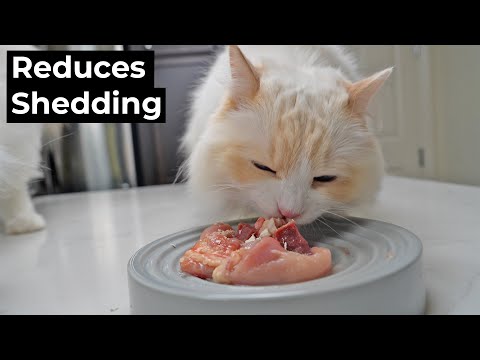
Should You Feed Your Cat Raw Meat? The Short Answer
Raw meat diets for cats can offer nutritional benefits but come with serious health risks. Cats are obligate carnivores and thrive on meat-based proteins. However, raw feeding requires careful handling, proper nutrition balancing, and veterinary guidance. Most veterinarians recommend consulting a feline nutrition specialist before switching to raw. It's not the right choice for every cat owner or living situation.
The Pros of Raw Feeding Your Cat
Raw meat diets align with what cats eat in the wild. Felines are designed to consume whole prey, which includes muscle meat, organs, and bones. This natural approach can improve coat quality and reduce digestive issues in some cats.
Your cat may experience increased energy and better weight management on a raw diet. The high protein content supports lean muscle development. Some owners report improvements in dental health and fresher breath compared to dry kibble.
Raw feeding gives you complete control over ingredients. You know exactly what your cat consumes without artificial additives or fillers. This appeals to owners wanting transparency in their pet's nutrition.
Unlike some commercial high-protein cat food options, raw diets can be customized to your cat's specific health needs. This flexibility makes raw feeding attractive for cats with sensitivities or food allergies.
The Cons and Serious Health Risks
Bacterial contamination is the biggest concern. Raw meat can harbor Salmonella, E. coli, and Listeria. These pathogens threaten both your cat and your family. Improper handling spreads bacteria across your kitchen surfaces and utensils.
Nutritional imbalances are common in homemade raw diets. Cats need specific ratios of calcium, phosphorus, taurine, and other nutrients. Getting this wrong leads to serious deficiencies and health problems over time. Professional formulation costs money and requires ongoing adjustments.
Raw bones present choking and intestinal blockage hazards. Splintered bones damage gums and teeth. Some cats don't chew properly and swallow large pieces whole.
Parasite transmission is real. Raw meat may contain parasites that affect your cat's health. Your veterinarian needs to monitor your cat with regular testing if you choose this route.
Raw feeding creates practical challenges. Sourcing quality meat is time-consuming. Storage requires dedicated freezer space. Thawing and handling demand strict food safety protocols. This isn't convenient for most busy pet owners.
Making the Right Choice for Your Cat
Before switching to raw, talk to your veterinarian or a feline nutrition specialist. They can assess your cat's age, health status, and dietary needs. Some cats are better candidates than others. Kittens, senior cats, and cats with immune issues shouldn't eat raw.
If you want to incorporate raw elements safely, consider working with a nutrition professional who creates species-appropriate meals. Pre-formulated raw diets from reputable companies reduce contamination risks compared to DIY options.
Many cat owners find a middle ground. High-quality commercial cat foods designed with raw-feeding principles in mind offer similar nutritional profiles with better safety standards. They provide the protein-rich nutrition cats need without the risks.
Keep your cat mentally and physically stimulated regardless of diet choice. Interactive enrichment matters just as much as nutrition. Interactive cat wand toys and a cat tree tower with scratching post support overall wellness. A healthy environment with proper litter management using a self-cleaning cat litter box also prevents stress-related health issues.
The Bottom Line
Raw meat diets aren't inherently bad, but they demand serious commitment, knowledge, and caution. The nutritional benefits can be achieved through other means with lower risk. Your cat's safety must come first.
Work with veterinary professionals to develop a feeding plan that matches your lifestyle and your cat's health needs. Whether you choose raw, commercial food, or a hybrid approach, informed decisions lead to healthier, happier cats.