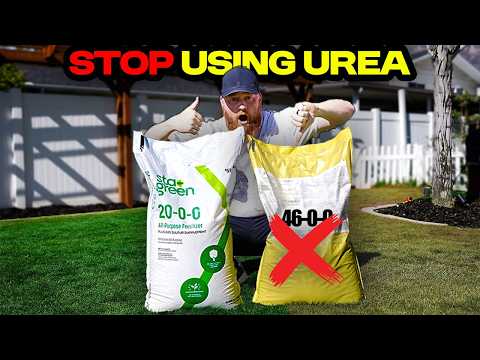
What's the Right Spring Fertilizer Choice?
Most people grab the same fertilizer they used last fall or pick whatever's on sale. That's the mistake. Spring fertilizer needs are completely different from other seasons. Your lawn and gardens need higher nitrogen in spring to fuel new growth. Fall fertilizer has more potassium to prepare plants for winter dormancy. Using fall formulas in spring wastes money and gives your plants the wrong nutrients at the wrong time. Check your soil pH first with a soil pH tester so you know what your lawn actually needs.
Stop Making These Common Spring Fertilization Mistakes
The biggest error is applying fertilizer too early. Many people fertilize in late winter when soil is still frozen or waterlogged. This washes nutrients away instead of letting roots absorb them. Wait until soil is workable and temperatures consistently stay above 40 degrees at night.
Another mistake is using a generic fertilizer for everything. Your vegetable garden needs different ratios than your lawn. Scotts Turf Builder Lawn Food works great for turf because it's formulated specifically for grass growth. But this same formula will overfeed leafy vegetables and cause them to grow more leaves than fruit.
Over-fertilizing is equally damaging. More fertilizer doesn't mean faster growth. It burns grass, causes excessive tender growth vulnerable to disease, and wastes money. Follow package directions based on your lawn size. Too many people eyeball it and apply double what they should.
Finally, people ignore soil conditions entirely. Rich, healthy soil needs less fertilizer than depleted soil. Test before you treat. Different areas of your yard may need different amounts based on shade, compaction, and existing organic matter.
How to Choose the Right Spring Fertilizer
Start with a soil test. This tells you your pH level and what nutrients are actually missing. Most university extension offices offer affordable testing services. A soil pH tester gives you immediate feedback if you want to test yourself.
Look for fertilizers with higher nitrogen percentages in spring. The three numbers on fertilizer bags represent nitrogen, phosphorus, and potassium in that order. A 24-4-8 formula has plenty of nitrogen for spring growth. A 12-12-12 balanced formula works but isn't optimized for spring needs.
Organic fertilizers work well but release nutrients slowly. They're perfect if you planned ahead, but won't help you if you're starting fertilization in late spring. Synthetic fertilizers act faster and give more predictable results. Choose based on your timeline and preference.
Consider controlled-release formulas that feed over weeks instead of all at once. These reduce burn risk and give steadier results than single applications.
Spring Lawn and Garden Care Beyond Fertilizer
Fertilizer is just one piece of the puzzle. Proper watering matters equally. Water your lawn deeply after applying fertilizer to help nutrients reach roots. Using an Orbit B-hyve Smart Sprinkler Timer ensures consistent, efficient watering without guesswork.
Mowing height affects nutrient uptake too. Keep spring grass at 3 to 3.5 inches tall. Shorter mowing stresses grass and reduces its ability to use nutrients effectively.
In garden beds, add compost before fertilizing. Compost improves soil structure and supplies slow-release nutrients, reducing your fertilizer needs.
If you're unsure about any of this, don't hesitate to get professional help. Find local service pros near you who can test your soil and recommend specific products for your property.
Final Thoughts
Spring fertilizer success starts with matching the right formula to your specific needs. Test your soil, choose nitrogen-rich products, apply at the right time, and don't overdo it. Skip the generic approach and give your lawn and garden exactly what they need this spring.