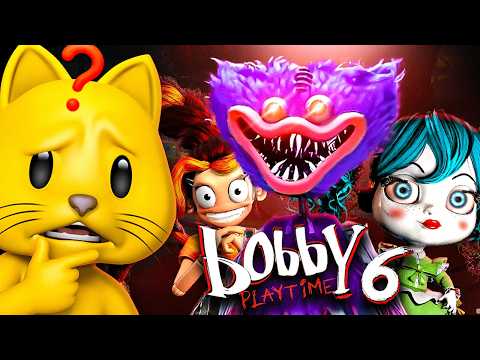
What Are Poppy Playtime Ripoffs and Why Do They Exist?
Poppy Playtime became a massive hit. Its success spawned countless ripoffs across mobile app stores. These knockoffs range from poorly designed clones to outright scams. Developers copy the core formula: creepy doll, first-person perspective, puzzle mechanics. But most fail spectacularly. They lack polish, contain bugs, serve ads aggressively, or steal assets from the original. Players download them expecting quality horror gameplay and find broken, cursed experiences instead.
The Problem With Mobile Game Knockoffs
Mobile game stores are flooded with ripoffs. This happens because the barrier to entry is low. Anyone can upload an app. Poppy Playtime's popularity makes it a target. Developers see a successful formula and rush to copy it without adding value or care.
Most ripoffs share common issues. Graphics are low-quality or stolen. Gameplay is repetitive and unfun. Monetization is predatory. Ads interrupt every action. In-app purchases cost ridiculous amounts. Some games crash constantly. Others have game-breaking glitches that make progression impossible.
The worst ripoffs hide malware or adware. They collect personal data without consent. They drain battery life. Some even contain adult content disguised as kid-friendly games. Parents downloading these for children face real safety concerns.
Quality knockoffs do exist, but they're rare. Creating a genuine game takes skill, resources, and time. Most ripoff developers have none of these. They prioritize quick profits over player experience. The result feels cursed to anyone who plays.
Why Horror Game Clones Are Especially Problematic
Horror games are particularly susceptible to ripoffs. Horror relies on atmosphere, tension, and surprise. It demands careful design. Ripoffs rarely invest in these elements. They slap a creepy filter on generic gameplay and call it horror.
Poppy Playtime works because it builds tension slowly. The environment tells a story. Puzzles feel purposeful. Knockoffs skip this foundation. They dump jump scares everywhere without context. The result feels cheap and forgettable, not frightening.
Some cursed ripoffs become unintentionally hilarious. Broken AI, awkward animations, and nonsensical plot twists create comedy rather than dread. Players share these disasters on social media. They become memes. The developers gain exposure, but not the kind they want.
The gaming community has become savvy about spotting knockoffs. Player reviews are brutal and honest. Ratings plummet quickly. But new ripoffs launch daily. App stores struggle to moderate effectively. Some legitimate but niche horror games get caught in the crossfire of ripoff stigma.
How to Identify and Avoid Cursed Gaming Content
Smart players know how to spot ripoffs. Check the developer name. Unknown or suspicious publishers are red flags. Read reviews carefully. Look for specific complaints about crashes, ads, or stolen content. Check download counts. Massive disparities between downloads and ratings indicate problems.
Gameplay videos matter. Watch footage before downloading. Notice graphics quality, animation smoothness, and interface design. Ripoffs often look visually awkward or generic. Original games invest in polished visuals.
Trust user feedback. If thousands of reviews mention ads, bugs, or predatory monetization, believe them. If the game description is poorly written with spelling errors, question its legitimacy. Professional developers proof-read.
Stick with established developers and franchises. The original Poppy Playtime has sequels made by Mob Entertainment. These are worth playing. Unknown alternatives rarely offer better experiences. Your time and device security matter more than saving a dollar or two.
If you enjoy horror games, explore legitimate indie developers. Many create innovative, affordable games without relying on cloning. Supporting these creators directly funds better content. You can explore quality local gaming communities and resources through platforms that connect you with gaming industry businesses and developers in your area.
The Bottom Line
Poppy Playtime ripoffs exist because success attracts imitators. The mobile game market lacks strong quality controls. Players suffer through cursed, broken experiences as a result. Avoid knockoffs by checking reviews, watching gameplay, and trusting established developers. The original Poppy Playtime offers genuine horror entertainment. Most ripoffs offer frustration and malware risks instead. Your gaming experience improves dramatically by simply choosing quality over quantity.