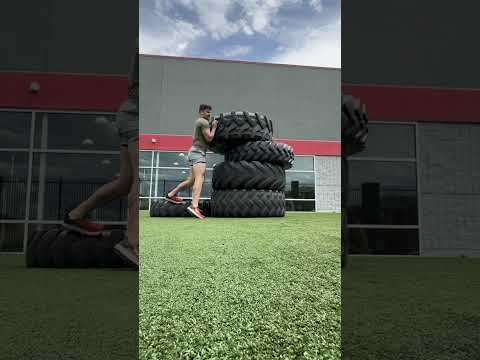
What Makes a Workout You'll Never Dread?
The workout you'll never dread is one that aligns with your natural preferences and delivers real results. It's not about forcing yourself through misery. It's about finding an exercise format that fits your life, matches your goals, and actually feels good to do. The key is choosing workouts that build momentum, show progress quickly, and don't feel like punishment. When you stop fighting yourself and start working with your strengths, motivation becomes automatic.
Choose an Exercise You Actually Enjoy
Most people fail at fitness because they pick workouts they hate. They follow trends or copy what influencers do instead of testing what works for their own body and schedule. Start by experimenting. Try strength training, cardio, yoga, swimming, or group classes. Give each one at least three sessions before judging it. Your nervous system needs time to adapt before something feels natural.
The best workout is the one you'll actually do. If you hate running, forcing a running routine will always feel like dread. If you love lifting weights or dancing or hiking, lean into that. Your consistency matters far more than the specific exercise. When you enjoy the activity itself, motivation stops being something you have to manufacture. It becomes genuine.
Also consider the social element. Some people thrive in group fitness settings. Others prefer solo workouts. Some want a trainer to hold them accountable. You can find local service pros near you including personal trainers and fitness coaches who can help match you with the right workout style for your personality.
Track Progress to Stay Motivated
Motivation thrives on evidence. If you can't see or feel progress, your brain loses interest fast. Start tracking something concrete. This might be the weight you lift, reps completed, time duration, distance covered, or how you feel afterward. Pick metrics that matter to you, not what social media says matters.
Check your progress weekly. You don't need massive jumps. Small improvements compound. Adding one more rep, knocking five seconds off your time, or feeling less sore the next day all count. Your tracking system can be as simple as a notebook, a notes app on your phone, or a fitness watch. Quality fitness tracking devices and apps are widely available if you want more detailed monitoring.
When you see tangible progress, your brain releases dopamine. This neurochemical reward reinforces the behavior. You start craving the workout because your body recognizes it delivers results. This is how dread transforms into anticipation.
Build the Right Environment and Routine
Your environment shapes your behavior more than willpower does. If you have to drive thirty minutes to the gym, find parking, and navigate crowds, friction builds up. Eventually you'll skip sessions. Instead, choose workouts you can access easily. This might mean a home setup, a gym close to your office, a park near your house, or an online program you can do anytime.
Make your workout routine automatic. Schedule it at the same time each day or week. Lay out your gear the night before. Remove decisions. When something becomes routine, it requires less motivation to start. You just do it because it's what you do on Tuesday mornings or Wednesday evenings.
Start small too. A twenty-minute workout you actually complete beats a sixty-minute workout you skip. Build consistency first, then increase volume. Your future self will thank you for establishing the habit instead of burning out chasing perfection.
The Bottom Line
The workout you'll never dread isn't some secret formula. It's a workout that fits your preferences, delivers visible progress, and sits within an environment you control. Motivation follows action and results. Start with what you enjoy, track your progress relentlessly, and eliminate friction from your routine. Within weeks, your mindset shifts. The workout stops being something you force and becomes something you genuinely want to do.