What Hidden Plumbing Leaks Reveal During Home Inspections
Plumbing leaks discovered during a home inspection signal serious problems. They indicate poor maintenance, structural damage risk, and costly repairs ahead. Many buyers overlook water damage until it's too late. A thorough inspection catches leaks before you purchase. Check crawl spaces, basements, and under sinks first. Look for staining, soft spots, and mold growth. These signs mean water has been pooling for weeks or months. Don't skip this step in your due diligence process.
How to Spot Plumbing Leaks Like a Pro
Detecting hidden plumbing leaks requires the right tools and attention to detail. Start with visual inspection of all visible pipes and connections. Check under every sink and around toilets for water stains. Use a Tramex Moisture Meter to detect hidden moisture in walls and flooring without causing damage. This non-destructive tool reads moisture levels instantly and helps you pinpoint problem areas before they worsen.
Listen for running water sounds when no fixtures are in use. Hearing water flow means your main line likely has a leak. Check your water meter before and after a two-hour period when nothing is running. If it moves, you have a leak somewhere in your system.
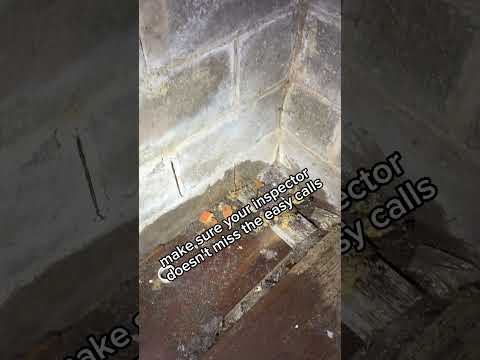
Examine basement or crawl space walls for white mineral deposits and discoloration. These indicate active or past water seepage. Look for soft, spongy drywall or wood that feels wet to the touch. Mold growth appears as dark patches and signals prolonged moisture exposure. If you suspect mold, a Mold Test Kit with lab analysis confirms the problem without expensive professional testing.
Real Estate Due Diligence: Why Leak Detection Matters
Buyers often overlook plumbing issues during the inspection period. This mistake costs thousands in repairs and health risks later. Water damage spreads quickly. What starts as a small basement leak becomes structural rot and mold invasion within months.
Always request a professional plumber inspection separate from the general home inspection. Your real estate agent can help you find local service pros near you who specialize in plumbing evaluations. A licensed plumber identifies problems a general inspector might miss. They check water pressure, line integrity, and connection quality.
Document every finding with photos and written notes. Use these to negotiate repairs or credits with the seller. Some leaks require complete replumbing. Others need simple fixes. Either way, knowing the scope prevents surprises after closing.
Home Maintenance Tips to Prevent Future Leaks
Prevention saves more money than detection. Inspect your plumbing every six months. Look under sinks and check exposed pipes for corrosion or mineral buildup. Replace old supply lines with flexible braided stainless steel hoses. These last longer and resist bursting.
Monitor your water bill for unusual spikes. High usage without explanation signals hidden leaks. Install shut-off valves at each fixture. This lets you cut water to problem areas quickly during emergencies.
Insulate pipes in unheated spaces. Frozen pipes burst and cause massive water damage. In winter, let faucets drip slightly to prevent pressure buildup. Drain water heaters annually to remove sediment that causes corrosion.
Also consider testing your home for other hazards. A Radon Gas Test Kit identifies invisible threats in basements and crawl spaces. Radon causes serious health issues and often accompanies water-prone areas.
Taking Action on Your Home's Health
Plumbing leaks don't disappear on their own. They worsen and spread damage until repairs become expensive emergencies. Inspect regularly. Use moisture detection tools. Hire professionals when needed. Your home's structural integrity depends on catching water problems early.
Don't ignore stains, soft spots, or musty odors. These are your home's warning signs. Act quickly and protect your investment. Whether you're buying, selling, or maintaining, thorough plumbing inspection is non-negotiable due diligence.