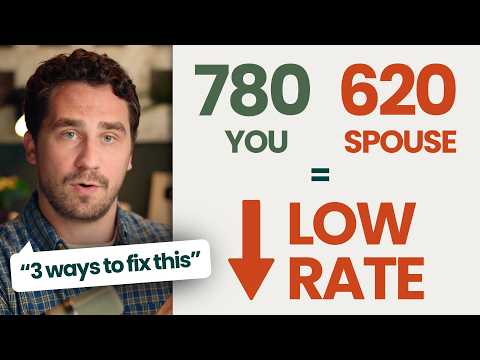
Can You Get a Mortgage If Your Spouse Has Bad Credit?
Yes, you can still get a mortgage if your spouse has bad credit. Many lenders allow you to apply individually using only your credit score and income. However, you'll need to disclose marital status and community property rules may apply depending on your state. The key is understanding your options: apply as an individual, apply jointly with a co-signer, or work with your spouse to improve their credit before applying together.
How Your Spouse's Credit Score Affects Your Mortgage
When you apply for a mortgage jointly, lenders typically use the lower of the two credit scores to determine your qualification and interest rate. This means your spouse's bad credit directly impacts the terms you'll receive. You might face higher interest rates, larger down payment requirements, or stricter debt-to-income ratios.
If you apply individually, your spouse's credit won't factor into the lender's decision at all. Most states allow this approach, though some community property states require disclosure of your spouse's debts. Check your state's laws before deciding which route to take.
Before applying, get your free credit report and your spouse's report from a credit monitoring service. This shows you exactly what lenders will see and helps you plan your strategy. If your spouse's score is below 620, individual application becomes even more attractive.
Joint vs. Individual Mortgage Applications Explained
A joint application means both of your financial profiles are reviewed. Lenders see combined income, which can help if your spouse earns a solid salary. However, their bad credit becomes a liability. You'll face stricter terms and possibly a higher interest rate that costs tens of thousands over the loan's life.
An individual application uses only your credit, income, and assets. Your spouse still needs to disclose their debts and income to the lender in most cases, but their poor credit won't directly hurt your approval or rates. This works well if you earn enough to qualify on your own and your credit is solid.
There's also the option of waiting. Some couples choose to delay purchasing while the lower-credit spouse works to rebuild their score. This takes time but can save significant money in interest payments. Even improving a credit score from 600 to 680 can lower your rate by a full percentage point.
Before making any decision, connect with a local mortgage broker who understands your state's rules. You can find experienced professionals through Local Services on It's Buzzing who specialize in complex mortgage situations.
Practical Steps to Improve Your Chances
First, document everything. Gather pay stubs, tax returns, and bank statements for the past two months. Lenders need proof of stable income, especially if you're applying as a single earner while married.
Second, reduce debt before applying. Pay down credit cards and avoid new loans. A lower debt-to-income ratio improves your approval odds significantly.
Third, save for a larger down payment. This reduces lender risk and often qualifies you for better rates even with credit challenges nearby. Aim for at least 10 percent if possible.
Consider timing your application strategically. Once you're approved and closing, you can start thinking about home security upgrades. A Ring Video Doorbell and Smart Lock with Keypad provide secure access without carrying keys. You might also invest in a Radon Gas Test Kit or Mold Test Kit to ensure your new home is healthy and safe.
Bottom Line
Your spouse's bad credit doesn't have to stop you from buying a home. You have multiple paths forward. Evaluate which strategy makes sense for your situation. Apply individually if your income supports it, or wait while your spouse rebuilds their score. Most lenders understand that credit challenges happen, and they want to work with borrowers who show stability and commitment. Take action today and move forward toward homeownership.