The Direct Answer: How to Remove Invasive Grasses Without Chemicals
Invasive grasses can take over your lawn and garden faster than you'd expect. The good news: you don't need harsh chemicals to win this battle. The most effective methods involve physical removal, smothering techniques, and consistent maintenance. Pull grasses when soil is moist, cover problem areas with cardboard or mulch, and replant with native species. Results take weeks to months, but they last.
Physical Removal: The Foundation of Success
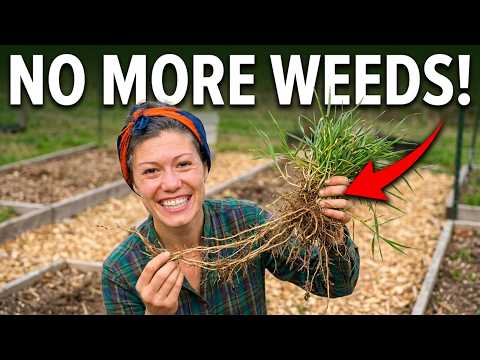
The first step in chemical-free invasive grass removal is getting your hands dirty. Pull grasses by hand when the soil is wet or after rain. Wet soil loosens root systems, making complete removal easier. Grab the plant at the base and pull slowly to extract the entire root.
For larger areas, use a broadfork or garden fork to loosen soil across the entire section. Work in rows and remove all visible plant material. This method takes effort but gives you complete control over what stays and what goes.
If you're dealing with stubborn areas in garden beds, consider clearing and preparing the space for new plantings. Some gardeners find that proper surface preparation makes a real difference. A random orbital sander can smooth out rough bed edges if you're using wooden borders, creating clean lines that are easier to maintain.
Smothering and Mulching: The Passive Approach
After physical removal, use smothering techniques to prevent regrowth. Cardboard works exceptionally well. Lay down cardboard sheets over invasive grass areas, overlapping edges by at least six inches. Wet the cardboard so it stays in place. Leave it down for 6-12 weeks. The grasses underneath die from lack of light, and the cardboard breaks down over time.
Top the cardboard with 3-4 inches of mulch or compost. This speeds decomposition and creates a pleasant appearance. Wood chips, straw, or shredded leaves all work. The mulch layer also suppresses any seeds that might germinate.
In garden beds where you want to plant immediately, remove the invasive grasses first, then add cardboard and mulch before planting new species. This creates a barrier that prevents invasive grasses from returning while your new plants establish themselves.
Long-Term Management and Prevention
Winning the war on invasive grasses requires a maintenance plan. Once you've removed the problem grasses, prevent their return through consistent monitoring and quick action.
Plant native grasses and ground covers that compete with invasive species. Native plants are adapted to your local climate and soil, giving them an advantage in the natural competition for resources. Dense plantings leave less room for invasive species to establish.
Stay vigilant during the first growing season after treatment. Pull any new invasive growth immediately. If you spot just a few seedlings, hand-pulling takes minutes and prevents the problem from returning to square one.
Regular mulching throughout the growing season suppresses new growth. Aim to maintain 2-3 inches of mulch in beds and around trees. Refresh mulch annually as it breaks down.
If your yard is large and the invasive grass problem is extensive, you might benefit from professional help. Find local service pros near you who specialize in native plantings and ecological landscape management.
Making It Stick: Structural Support for Your Garden
As you restore your garden beds, consider reinforcing bed edges with permanent borders. Raised beds with sturdy construction can define spaces clearly. If you're building custom solutions, a Kreg pocket-hole jig and carpenter clamp set help you build professional-quality beds that last years. Well-defined borders make it easier to maintain the boundary between garden spaces and potential problem areas.
The Bottom Line
Chemical-free invasive grass removal works. It requires physical effort upfront and consistent attention afterward, but the results are permanent and safe for your family, pets, and soil life. Start with physical removal, layer on smothering techniques, and maintain through smart replanting and mulching. Your lawn and garden will thank you.