What Is Lazy Gardening for Spring Prep?
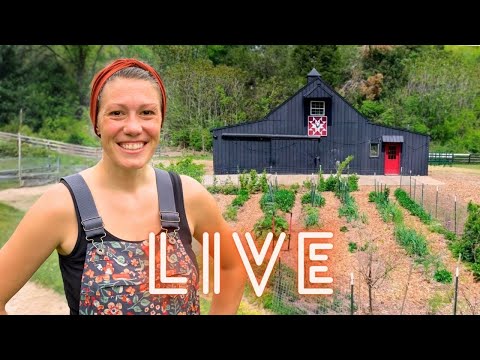
Lazy gardening means working smarter, not harder. It's about preparing your spring garden with minimal effort and maximum results. Skip the backbreaking labor. Focus on smart planning, timing, and letting nature do half the work. Our March AOAT livestream answered real viewer questions about getting gardens ready for spring without burning yourself out.
Plan Your Layout Before Digging
The biggest lazy gardening win happens before you touch a shovel. Spend an afternoon sketching your garden layout on paper or using a simple app. Mark where sun hits at different times. Note existing shade from trees and structures. This planning saves hours of replanting later.
Ask yourself three questions: What grows here already? What failed last year? What do I actually want to eat or see? Your answers shape everything else. Many livestream viewers admitted they'd wasted entire seasons planting in wrong spots. A 15-minute plan beats months of frustration.
Group plants by water needs. Put thirsty vegetables together. Place drought-tolerant plants in another zone. You'll water smarter and spend less time managing problems.
Use Mulch and Amendments as Your Shortcut
Mulch is the lazy gardener's best friend. It suppresses weeds, retains moisture, and breaks down into free soil improvement. Spread 2-3 inches around plants before spring heat arrives. Use wood chips, straw, or compost depending on what's available locally.
Skip tilling old beds. Instead, layer amendments directly on top. Add compost, aged manure, or shredded leaves. Let microorganisms do the mixing for you over winter and early spring. No machinery needed. Check your local services directory if you need bulk materials delivered. Many local garden suppliers offer load services that save serious work.
Raised beds deserve mention here. Yes, they require initial setup. Build one once using basic tools like a random orbital sander for smooth edges and a Kreg pocket-hole jig for strong joints, and you skip digging work forever after. Fill with quality soil blend and grow. No annual tilling. No compacted soil battles.
Start Small and Choose Low-Maintenance Plants
Livestream viewers asked the same question repeatedly: how much can I grow without constant work? The answer: start small. A 4x8 raised bed produces more vegetables than most home gardeners eat. One 20-foot row feeds a family for months.
Pick plants that thrive in your climate without fussing. Native plants require less water and fewer inputs. Perennials return yearly without replanting. Vegetables like tomatoes, zucchini, and beans need minimal intervention once established. Skip finicky crops until you've mastered the basics.
Water deeply but infrequently. Shallow daily watering creates weak, needy plants. Soak beds thoroughly twice weekly instead. Roots grow deeper and tougher. Watering becomes faster and more effective.
Consider drip irrigation. Run a simple hose line through beds on a timer. You water while sleeping. Weeds get less water than plants. It sounds fancy but a basic kit costs under fifty dollars and saves hours every season.
Build Community Garden Knowledge
The best spring prep advice comes from people growing in your exact neighborhood. Join local garden groups. Visit farmer markets and talk to vendors. They know which varieties thrive regionally. They've made the mistakes you don't need to repeat.
Questions about starting seeds indoors? Hardening off seedlings? Preventing early pests? Other gardeners answer these faster than any article. Many local communities have free extension services offering personalized guidance too.
Get Ready, Then Relax
Spring garden prep doesn't require perfection. It requires smart decisions made now so you enjoy gardening later. Plan your layout. Add mulch and amendments. Choose appropriate plants for your space. Let nature and time handle the rest.
Your March preparations pay dividends through June, July, and August when other gardeners struggle while yours thrives on autopilot. That's the lazy gardening promise. Work smart in spring. Relax the rest of the year.