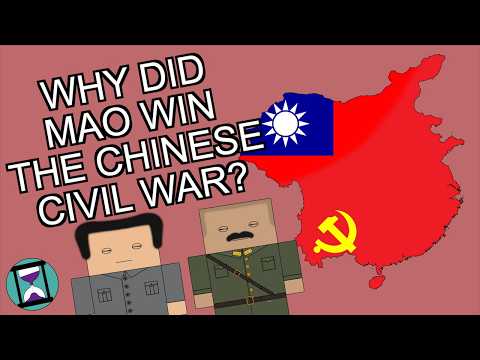
Why Did Mao Win the Chinese Civil War? The Direct Answer
Mao's Communist forces defeated the Nationalist government in the Chinese Civil War (1927-1949) for three core reasons: superior military strategy, effective peasant mobilization, and Nationalist weakness from corruption and war fatigue. The Communists controlled rural territory, built a loyal army, and adapted their tactics while the Nationalists lost popular support. By 1949, Mao controlled mainland China while the Nationalists retreated to Taiwan.
Military Strategy and Tactical Superiority
Mao's army used guerrilla warfare and mobile tactics that suited rural terrain. The Communists avoided direct confrontation early on. Instead, they wore down Nationalist forces through hit-and-run attacks, sabotage, and territorial control.
The Nationalist military, led by Chiang Kai-shek, relied on conventional warfare. They held cities and main roads but couldn't effectively patrol vast countryside areas. This split their forces thin.
By the final phase of the war (1947-1949), the Communist People's Liberation Army had grown to over 3 million fighters. They launched coordinated offensives across multiple regions simultaneously. The Nationalists couldn't respond fast enough. Their supply lines broke. Their troops surrendered in massive numbers.
Mao also invested heavily in winning over military officers and soldiers. Defections became common. Entire Nationalist units switched sides with their commanders intact.
Peasant Support and Political Messaging
A critical difference between the two sides was popular support. Mao promised land reform. The Communists took estates from wealthy landlords and distributed land to peasants. This created a massive base of supporters in rural areas where most Chinese people lived.
The Nationalist government, by contrast, protected landlord interests. Peasants had no reason to support them. When Nationalist soldiers passed through villages, locals often refused to help or provide information.
The Communists also ran schools and healthcare in territories they controlled. They organized women and youth groups. They created a sense of belonging and shared purpose. People felt invested in a Communist victory.
The Nationalist government seemed distant and corrupt. Officials took bribes. Resources disappeared. Soldiers went unpaid for months. This bred resentment among both civilians and the military rank and file.
Nationalist Collapse and Internal Problems
The Nationalist regime weakened itself from within. Hyperinflation during the late 1940s destroyed the currency. People lost savings overnight. Prices for basic goods skyrocketed weekly. This crushed the urban middle class, a potential base of Nationalist support.
Corruption was rampant. Military supplies intended for the front lines were sold on black markets. Generals grew wealthy while soldiers starved. This killed morale in the Nationalist army.
The Japanese invasion (1937-1945) also drained both sides, but it hit the Nationalists harder. They had to defend cities and conventional positions. The Communists used the chaos to expand their rural base and build strength.
By 1948, Nationalist generals were already negotiating surrender terms. The war's outcome was clear months before the final battles. When the Communists launched major offensives, entire armies collapsed without serious resistance.
Why This History Matters Today
Understanding why Mao won teaches lessons about political legitimacy, military strategy, and popular support. Armies win when they have backing from the people they claim to govern. Technology and conventional firepower matter less than motivation and territorial control.
The Chinese Civil War also shaped 20th-century global politics. It created the People's Republic of China and altered the Cold War balance. The victory proved that Marxist revolution could succeed in agrarian societies, not just industrial ones.
If you're interested in deepening your knowledge of military history and strategy, consider exploring resources that break down historical conflicts. Many local educators and historians offer workshops. You can explore industries in your area to find history tutors or educational services near you.
Conclusion
Mao won the Chinese Civil War because he offered peasants land, adapted military tactics to the terrain, and maintained discipline and purpose. The Nationalist government lost because it failed to reform, suffered internal corruption, and lost the support of rural populations. History shows that military victory belongs to those who win hearts and minds, not just those with bigger armies.