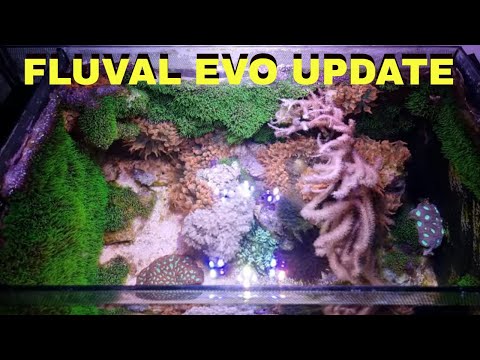
Mark's Aquatics is Back with Expert Fishkeeping Guidance
Mark's Aquatics has returned to create content for the fishkeeping community. The channel focuses on practical, real-world advice for keeping healthy aquariums. Whether you're a beginner or experienced aquarist, the return of this channel brings valuable insights into tank maintenance, water chemistry, and equipment selection. Mark shares direct recommendations based on what actually works in his tanks.
Master Water Testing for Tank Health
One of the first things Mark emphasizes is understanding your water chemistry. Testing your aquarium water regularly prevents most common fish diseases and algae problems. You need to know your ammonia, nitrite, nitrate, and pH levels.
Start with the API Freshwater Master Test Kit. This kit gives you accurate readings for all critical parameters. It's more reliable than test strips and costs less over time. Mark recommends testing weekly when you first set up a tank, then monthly once established. Track your results in a notebook. You'll quickly spot problems before they harm your fish.
The master test kit teaches you what numbers mean what. You'll understand why nitrate creeps up after feeding heavily or why pH shifts after a water change. This knowledge makes you a better aquarist.
Invest in Proper Filtration
Filtration is the foundation of every successful tank. Mark stresses that good filtration handles two jobs: removing waste and creating water movement. Many beginners underestimate how much filtration they need.
A canister filter for your aquarium handles both tasks efficiently. Canister filters process water through multiple media types and move water powerfully. They're quieter than hang-on-back filters and hide behind the tank. For tanks larger than 40 gallons, a canister filter is the smart choice.
Mark recommends sizing your filter to turn over your tank volume at least 4 times per hour. A 50-gallon tank needs a filter rated for 200 gallons per hour minimum. Better filtration means cleaner water, healthier fish, and fewer algae problems. It's worth the investment upfront.
Choose the Right Lighting for Your Setup
Lighting affects both plant growth and fish health. If you're keeping live plants, your light choice determines success or failure. If you're keeping fish only, proper lighting still matters for natural day-night cycles.
A LED planted tank light saves money and gives excellent results. LED lights use half the electricity of older fluorescent fixtures. They last for years without replacement. Many LED lights have adjustable color and intensity, so you can dial in exactly what your plants need.
Mark uses LED lights on all his tanks. He points out that plants need 8 to 10 hours of light daily, not more. Too much light causes excessive algae growth. Use a simple timer so your lights turn on and off automatically. This consistency keeps your plants thriving.
Maintain Proper Water Temperature
Temperature stability matters more than most people realize. Most tropical fish need water between 75 and 80 degrees Fahrenheit. Temperature swings stress fish and weaken their immune systems.
An aquarium heater at 100W adjustable power keeps your tank stable year-round. A 100-watt heater suits tanks up to 30 gallons. Mark recommends heaters with built-in thermostats and clear temperature displays. Check your heater weekly to confirm the temperature hasn't drifted.
Place your heater in an area with good water flow from your filter. This spreads heat evenly throughout the tank. Avoid pointing it at fish directly. A stable temperature means healthier, more active fish and better breeding results.
Conclusion
Mark's Aquatics return brings practical wisdom to fishkeeping. Focus on water testing, solid filtration, proper lighting, and temperature control. These four foundations prevent almost every common aquarium problem. Start with quality equipment and maintain consistent habits. Your fish will reward you with vibrant colors and active behavior.