What Is a Welsh Rockpool Aquarium?
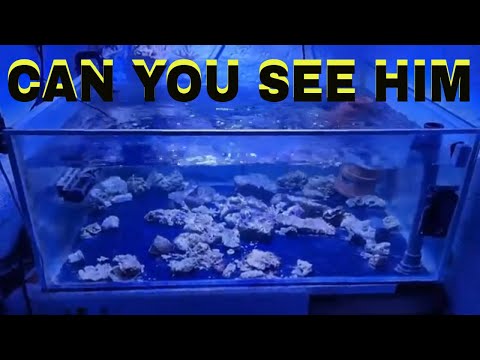
A Welsh rockpool aquarium recreates the natural habitat of creatures found in tidal pools along the Welsh coast. These tanks house species like anemones, crabs, starfish, and small fish that thrive in rocky, shallow marine environments. The setup mimics natural rockpool conditions: cool temperatures, moderate flow, and rocky surfaces. This type of aquarium appeals to hobbyists who want to keep native species and observe natural behaviors. Success depends on understanding your local creatures and providing proper filtration, lighting, and water chemistry.
Essential Rockpool Aquarium Setup
Start with a tank size of at least 30 gallons. Larger tanks are more stable and easier to maintain. Install a quality canister filter for aquarium to handle marine waste and keep water clean. Canister filters work best for saltwater tanks because they provide mechanical, chemical, and biological filtration in one unit.
Add rockwork as your foundation. Use rocks that won't dissolve in saltwater, like granite or volcanic rock. Create caves and crevices where creatures can hide. This setup reduces stress and encourages natural behavior.
Fill the tank with marine saltwater. Use a refractometer to measure salinity accurately. Most rockpool creatures prefer specific gravity between 1.020 and 1.025. Don't rush the cycling process. Test water regularly with an API Freshwater Master Test Kit to monitor ammonia, nitrite, and nitrate levels before adding animals.
Install an aquarium heater (100W) if your room temperature drops below 50 degrees Fahrenheit. Welsh rockpool creatures prefer cooler water than tropical species, but maintaining consistent temperatures prevents stress and disease.
Lighting and Water Flow Considerations
Rockpool tanks need moderate lighting, not intense illumination. An LED planted tank light provides gentle illumination and reduces algae overgrowth. Aim for 8 to 10 hours of light daily.
Water movement is crucial. Set your filter return to create gentle currents, not strong jets. Rockpool creatures evolved in areas with moderate wave action. Simulate this with adjustable flow rates. Too much flow stresses animals. Too little leads to dead spots where waste accumulates.
Monitor temperature fluctuations closely. Rockpool species are sensitive to rapid changes. Maintain water between 45 and 60 degrees Fahrenheit depending on your local species. Use a reliable thermometer and check it twice daily during setup.
Practical Daily and Weekly Maintenance
Change 25 percent of the water weekly. This removes excess nutrients and replenishes minerals. Use aged saltwater mixed to the same salinity as your tank. Test water parameters before and after changes.
Feed sparingly. Most rockpool creatures eat detritus, algae, and small organisms naturally present in the tank. Overfeeding causes water quality problems. Observe feeding patterns and adjust accordingly.
Clean the filter intake monthly to prevent clogging. Check for dead spots where water doesn't flow well. Stir substrate gently to release trapped waste, but avoid disturbing creatures unnecessarily.
Acclimate new animals slowly. Float them in a bag for 30 minutes, then gradually introduce tank water into the bag over 2 hours before releasing them. This prevents shock and mortality.
If you're new to marine aquarium maintenance or need advice specific to your setup, find local service pros near you who specialize in saltwater tanks. Local experts understand regional species and conditions.
Common Mistakes to Avoid
Don't overcrowd your tank. Each creature needs space and territory. Overstocking leads to aggression, stress, and poor water quality. Research each species' space requirements before adding them.
Avoid using tap water. Even treated tap water contains chemicals harmful to marine life. Always use marine saltwater or properly prepared water.
Don't skip the nitrogen cycle. Patience during setup prevents fish deaths later. Wait at least four weeks before adding sensitive creatures.
Conclusion
Welsh rockpool aquariums reward careful planning and consistent maintenance. Start with solid fundamentals: proper filtration, accurate salinity, stable temperature, and moderate flow. Test your water regularly and observe your creatures closely. Each tank is unique based on the species you choose and your local environment. Keep learning from each observation, and enjoy watching these remarkable animals thrive in your home.