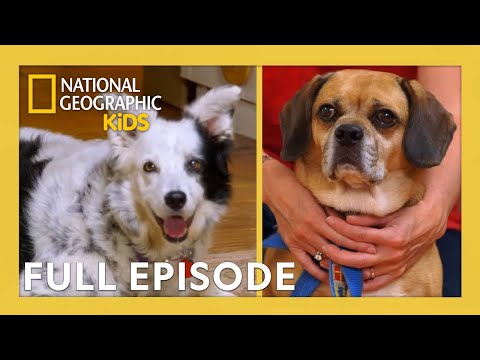
Is Your Dog Actually Smart? The Short Answer
Yes, your dog can be a genius. Dogs show remarkable intelligence in different ways. Some excel at problem-solving. Others master commands instantly. Still others read human emotions better than most people. Dog intelligence isn't one-size-fits-all. Each dog has unique cognitive strengths. Testing these abilities at home is simple, fun, and reveals what makes your pup special.
Understanding Canine Cognition and How Dogs Learn
Canine cognition is the science of how dogs think, learn, and process information. Dogs don't learn like humans. They use different brain pathways. They excel at pattern recognition and associative learning. When you say "sit" and reward them, dogs connect the word to the action. Repeat this enough times, and it becomes automatic.
Dogs also understand cause and effect. A dog learns that jumping on you gets attention. They learn which door leads outside. These observations shape their behavior more than we realize. Genetic factors play a role too. Some breeds have stronger instincts for herding, hunting, or retrieving. These instincts affect how they problem-solve and respond to training.
Modern pet training builds on these natural learning patterns. Positive reinforcement works best. Treats, praise, and play motivate dogs more than punishment. When you find local service pros near you for professional dog training, look for trainers who use reward-based methods. These techniques align with how dogs naturally learn.
Simple Intelligence Tests You Can Do at Home
Testing your dog's smarts doesn't require expensive equipment. Try these proven methods:
The Hidden Treat Test: Hide a treat under a cup. Let your dog watch. Can they knock it over and find the reward? Smart dogs solve this in seconds. Less experienced dogs might need hints.
The Puzzle Toy Challenge: Use interactive puzzle toys that dispense treats when manipulated correctly. Quality puzzle toys challenge your dog's problem-solving skills. Watch how long it takes them to figure out the mechanism. Persistent dogs often find solutions faster.
The Name Recognition Game: Say your dog's name along with toy names. Use consistent tone. Does your dog learn which toy is which? Some dogs master 200+ word associations. This shows remarkable vocabulary retention.
The Delay Test: Show your dog a treat, then hide it in one hand. Close both fists. Can they pick the correct hand? This tests memory and impulse control simultaneously.
The Mirror Test: Place your dog in front of a mirror. Do they recognize themselves or think it's another dog? Most dogs don't recognize their reflection. Recognizing themselves suggests advanced self-awareness.
Track results over weeks. You'll notice improvement as your dog learns what each test expects. Consistency matters more than raw speed.
Practical Training Tips Based on Intelligence Research
Understanding canine cognition improves your training approach. Here's what works:
Use Short Sessions: Dogs concentrate better in 5-10 minute bursts. Multiple short sessions beat one long session. This aligns with how dog brains process information.
Vary Rewards: Don't always use the same treat. Mix treats, toys, and praise. Dogs get bored with repetition. Variety keeps them engaged and motivated.
Teach One Behavior at a Time: Dogs learn slower than we assume. Master one command fully before introducing another. This reduces confusion and frustration.
Time Your Rewards Right: Reward immediately after correct behavior. Dogs connect rewards to actions only if timing is tight. Delays of even seconds reduce learning effectiveness.
Practice in Different Locations: A dog that sits perfectly at home might ignore the command at the park. Train in varied environments. This builds stronger neural pathways and reliable obedience.
Why Knowing Your Dog's Intelligence Matters
Understanding your dog's cognition improves your relationship. Smart dogs need mental stimulation. Bored geniuses develop destructive habits. They chew, dig, and cause trouble. Enrichment activities prevent these issues. Puzzle toys, training sessions, and games keep brilliant dogs happy.
Intelligence also affects behavior management. A smart dog might learn to open cupboards or escape yards. Planning ahead prevents these problems.
The Takeaway
Your dog likely has hidden genius waiting to surface. Test their intelligence. Train using science-backed methods. Provide mental enrichment. Every dog has unique cognitive strengths. Discovering them makes life richer for both of you.