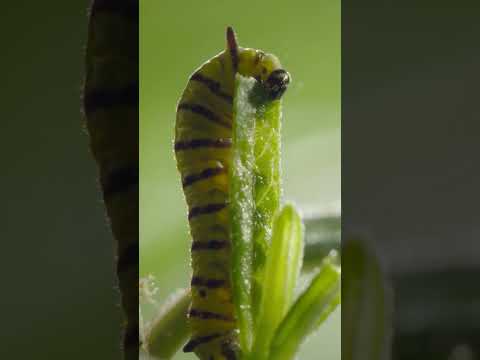
What Is the Caterpillar Life Cycle?
A caterpillar's life follows four distinct stages: egg, larva, pupa, and adult butterfly. The caterpillar itself is the larval stage. After hatching, it spends weeks eating almost constantly, growing rapidly until it forms a protective chrysalis. Inside this shell, complete metamorphosis occurs. The caterpillar's body completely reorganizes into a butterfly. This transformation takes days to weeks depending on the species. Then the butterfly emerges, ready to fly and reproduce. The entire cycle can last from one to two months.
Why Caterpillars Eat So Much
If you've watched a hungry caterpillar at work, you know they're eating machines. A single caterpillar can consume 27,000 times its birth weight in food during its larval stage. Most species focus on specific plants, like monarch caterpillars feeding exclusively on milkweed. This constant eating isn't random. Caterpillars are building energy reserves for metamorphosis. They need enough nutrients to fuel the transformation inside the chrysalis. Their rapid growth requires them to molt multiple times, shedding their skin as they get larger. Each molt reveals fresh skin underneath, allowing continued expansion.
Young caterpillars start tiny, sometimes smaller than a grain of rice. Within weeks, they reach their full larval size. This growth rate is one of nature's most impressive feeding journeys. If you're interested in understanding animal behavior better, exploring local nature centers and educational businesses by industry can connect you with wildlife experts in your area.
The Incredible Journey of Metamorphosis
Once the caterpillar reaches full size, it stops eating and searches for the perfect spot to pupate. This location matters enormously. A caterpillar hanging from a leaf or branch creates a chrysalis around itself. Inside, something extraordinary happens. The caterpillar doesn't simply grow wings. Its body undergoes complete reorganization at the cellular level. Specialized cells called imaginal discs activate, essentially rebuilding the entire organism from the ground up. Legs transform. Eyes develop. Wings form. The digestive system changes to accommodate nectar instead of leaves.
This metamorphosis is one of nature's most dramatic animal journeys. Scientists still study exactly how caterpillar cells know what to become. The process involves complex genetic instructions activating in precise sequences. Some caterpillars emerge in days. Others wait through winter, entering diapause, a hibernation-like state. When conditions improve in spring, they complete their transformation.
Observing Caterpillars in Your Community
You don't need to travel far to witness this incredible cycle. Most neighborhoods support caterpillar populations. Planting native plants attracts caterpillars and butterflies naturally. Look for species that match your local climate. Milkweed, parsley, and fennel host common caterpillar species. If you're setting up a butterfly garden or need landscaping advice, finding local service professionals near you can help you plan properly.
Observing caterpillars teaches patience and respect for natural processes. Many schools and nature centers raise caterpillars in controlled environments, allowing students to watch metamorphosis unfold over weeks. Educational supplies like butterfly observation kits help you monitor growth, molting, and chrysalis formation. Quality observation containers let you see without disturbing the caterpillar's natural behavior.
Document your observations with a journal or camera. Track how long each stage lasts. Note the exact moment the butterfly emerges. These personal records become valuable wildlife data you can contribute to citizen science projects.
Supporting Wildlife in Your Area
Creating caterpillar-friendly spaces benefits entire ecosystems. Butterflies pollinate plants. They feed birds and other wildlife. When you support caterpillar populations, you're strengthening local food webs. Avoid pesticides that kill caterpillars indiscriminately. Choose organic gardening methods instead. Let some areas grow wild. Native plants naturally support native caterpillar species adapted to your region.
If you're passionate about local wildlife conservation, supporting local conservation businesses and sustainable practices makes real impact. Many communities have native plant nurseries and conservation organizations dedicated to protecting butterfly populations.
Conclusion
The caterpillar's journey from tiny egg to hungry larva to chrysalis to butterfly represents one of nature's most remarkable transformations. These incredible animal journeys happen in your own backyard. By understanding the caterpillar life cycle and supporting native plants, you become part of preserving this magic. Watch closely. The next hungry caterpillar you spot is beginning an amazing adventure.