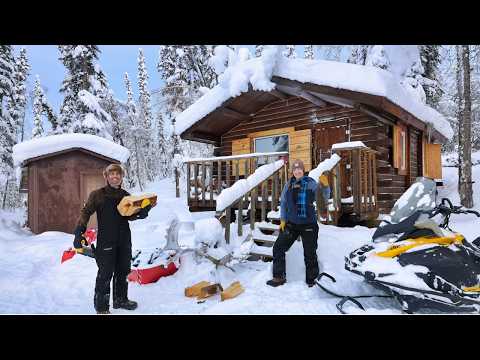
What You Need to Know About Alaska Backcountry Cabin Trips
An Alaska backcountry cabin trip combines remote wilderness living with world-class fishing. You'll spend 5 nights in isolated cabins, hop between locations, and catch fish in pristine waters. Success requires proper planning, quality gear, and knowledge of basic survival skills. Most trips involve floatplane access, minimal amenities, and complete self-reliance. This guide covers everything you need to prepare for your own Alaskan adventure.
Planning Your Backcountry Cabin Hop
Alaska offers thousands of remote cabins accessible only by floatplane or boat. Research lodges and outfitters that specialize in multi-cabin itineraries. Contact local guides who know seasonal fish runs and cabin locations. Most 5-night trips cover 2 to 3 different cabins across river systems or coastal regions.
Timing matters. Summer months (June to August) offer the best weather and fishing. Book flights well in advance. Floatplane operators charge premium rates but provide essential access to remote locations. Budget $3,000 to $6,000 per person for guides, cabins, and flights.
Pack light. You'll carry everything on the plane. Bring layers, waterproof gear, and insect repellent. Leave behind unnecessary items. Every pound counts when flying to remote areas.
Fishing Techniques in Alaska's Remote Waters
Alaska's backcountry waters hold salmon, trout, and pike. Learn the primary fish species available during your trip dates. Salmon fishing requires understanding tidal patterns and seasonal runs. Trout fishing in streams demands stealth and precise casting.
Bring quality fishing rods rated for the fish species in your area. Spoon lures work well for salmon. Dry flies catch trout in clear streams. Ask your outfitter what techniques locals use. Experienced guides can teach you productive methods specific to each location.
Fish early and late in the day. Morning and evening produce better results than midday fishing. Wade carefully in moving water. Always respect local regulations and catch limits. Practice catch-and-release when appropriate to preserve fish populations.
Document your catches. Photos serve as memories and help guides identify which techniques worked best for future trips.
Survival Skills and Cabin Living Essentials
Backcountry cabins lack modern conveniences. You'll manage your own water, fire, and food. Learn basic fire-building before you arrive. Collect firewood during daylight hours. Store food in bear-proof containers if provided.
Understand water sourcing. Most cabins have rain collection systems or nearby streams. Boil or filter water before drinking. Bring water purification tablets as backup.
Cabin kitchens often stock basic supplies. Bring shelf-stable foods you enjoy. Consider packing a Heirloom Seed Vault (Non-GMO) for sprouting greens during longer stays, or portable foods like nuts, dried fruit, and energy bars.
Medical preparedness matters. Pack a comprehensive first aid kit. Bring any personal medications. Know the emergency communication procedures at your cabin. Most locations have satellite phones for emergencies.
Weather changes rapidly in Alaska. Check forecasts before flying out. Bring extra layers and waterproof gear. Stay inside during storms. Listen to guides about local weather patterns.
If you're interested in building long-term wilderness skills or connecting with local outdoor communities, explore Local Services on It's Buzzing to find guides, outfitters, and wilderness training providers in Alaska.
Preparation and Self-Reliance
Success in remote Alaska requires honest self-assessment. Can you handle isolation? Are you physically fit enough for daily hiking and fishing? Do you adapt well to discomfort?
Practice outdoor skills before your trip. Build fires. Filter water. Navigate with maps. Set up tents. These basics prevent panic if something goes wrong.
Learn about wildlife encounters. Bears, moose, and wolves inhabit Alaskan backcountry. Store food properly. Make noise while traveling. Respect wildlife boundaries. Never approach animals.
Mental preparation matters. Expect long daylight hours in summer. Embrace the quiet. Disconnect from technology. Many people find profound peace in remote wilderness living.
Make Your Alaska Dream Real
An Alaska backcountry cabin trip combines adventure, fishing, and self-discovery. Plan ahead, train your body and mind, and respect the wilderness. Start contacting outfitters now. Book your floatplane. Prepare your gear. Your 5-night Alaskan adventure awaits.