What You Need to Know About Winter Cabin Living
Winter cabin living requires serious planning. You need reliable heat, stored food, working plumbing, and backup power. Start winterization in fall. Insulate pipes, stock firewood, and test all systems before temperatures drop. Most cabin owners discover problems too late. Plan ahead and your winter retreat stays comfortable, not stressful.
Heating and Insulation Systems
Your cabin's heat source determines whether you survive winter comfortably or struggle through it. Wood stoves are reliable but demand constant attention. Propane heaters work without electricity but need safe ventilation. Electric heating is convenient but expensive in remote areas. Layer your insulation before winter arrives. Seal air leaks around windows and doors. Insulate pipes to prevent freezing damage that costs thousands to repair. Keep a backup heating method. If your primary system fails during a blizzard, you need an alternative fast.
Food Storage and Self-Sufficiency
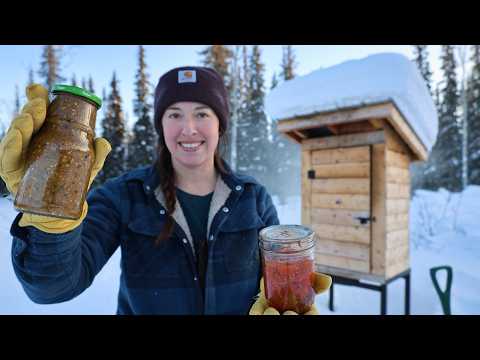
Winter isolation means you can't run to the store. Stock non-perishable foods, canned goods, and dried items. Plan meals that don't require refrigeration if power fails. Consider growing vegetables ahead of time. An Heirloom Seed Vault (Non-GMO) lets you save seeds from past harvests and build a sustainable garden cycle. For year-round protein, many cabin owners raise chickens. A Chicken Waterer & Feeder Combo simplifies daily animal care even in freezing temperatures. Preserve your harvest using a Ball Mason Jar Canning Kit to create shelf-stable meals for winter months. Store fresh vegetables in a cold cellar or root storage area where temperatures stay just above freezing.
Invest in a quality Heavy-Duty Garden Tool Set for fall harvest and spring planting preparation. Strong tools handle frozen ground better than cheap alternatives. Maintain your tools before winter arrives so they're ready when you need them.
Plumbing, Water, and Power Management
Frozen pipes are a cabin owner's nightmare. Drain exterior lines before the first hard freeze. Insulate pipes in unheated spaces. Let faucets drip slowly during extreme cold to keep water moving. Install a backup water source like a rain catchment system or well pump with manual backup. Without running water, winter living becomes dangerous and uncomfortable.
Power outages happen during winter storms. Install a generator or battery backup system. Keep fuel stored safely for generators. Solar panels help in sunny climates. LED lanterns and flashlights beat candles for safety. Charge all devices and batteries before storms arrive. A wood stove provides both heat and a place to cook if electricity fails.
If plumbing repairs are needed, don't wait until temperatures drop. Find local service pros near you to handle inspections and upgrades before winter. Professional plumbers can winterize systems properly and prevent costly damage.
Maintenance and Regular Checks
Test your heating system in early fall. Clean chimney flues before using wood stoves. Check roof condition and repair leaks. Clear gutters so ice dams don't form. Stock supplies for minor repairs. Winter storms make professional help unavailable for days. You need to handle basic problems yourself. Keep tools, spare parts, and supplies organized and accessible.
Document your property's condition with photos before winter. If damage occurs, documentation helps with insurance claims. Keep important contacts saved: electricians, plumbers, propane suppliers, and emergency services.
The Winter Cabin Lifestyle
Winter cabin living rewards preparation with peace and solitude. Snowy days become restful instead of stressful when you're ready. Test systems, stock supplies, insulate spaces, and arrange backup options. Your winter retreat becomes a genuine retreat instead of a survival test. Start planning now and enjoy the magic of cabin life during the coldest months.