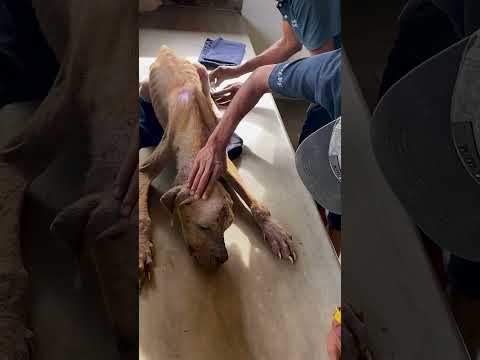
How Abandoned Dogs Recover Emotionally and Physically
Abandoned dogs experience real trauma. Fear, anxiety, and heartbreak are common when a dog loses its home. The good news: with patience and proper care, these dogs transform completely. Recovery takes time, consistent routines, and lots of love. Most rescue dogs show dramatic improvements within weeks to months. They learn to trust again, gain confidence, and become the affectionate companions they were always meant to be.
Understanding the Emotional Impact of Dog Abandonment
When dogs are abandoned, they don't just feel sad. They experience confusion, loss of security, and deep anxiety about their future. Rescue facilities and foster homes provide the safe space these dogs desperately need. During this period, patience matters more than anything else. Don't rush the process. Let the dog set the pace for interaction and bonding.
The first few weeks are critical. Establish a consistent daily routine immediately. Feed your rescue dog at the same times each day. Take walks on a predictable schedule. Use the same commands and gentle tone. This predictability helps anxious dogs feel safe and secure in their new environment.
Consider using an adjustable no-pull dog harness for walks. This tool keeps your rescue dog secure without causing neck strain or anxiety during the transition period. It gives you better control while remaining gentle and comfortable for your dog.
Practical Steps for Rescued Dog Care and Training
Training is therapeutic for abandoned dogs. It gives them structure, purpose, and positive interactions with their new family. Start with simple commands like sit and stay. Use natural dog training treats as rewards. Positive reinforcement builds confidence and strengthens your bond. Keep training sessions short, around 5-10 minutes, to avoid overwhelming your rescue dog.
Physical comfort matters significantly in recovery. An orthopedic dog bed provides proper support and a designated safe space. Many rescue dogs have spent time in uncomfortable shelters. A quality bed shows them they're now valued and cared for. Place it in a quiet corner where your dog can retreat when feeling stressed.
Grooming and hygiene also play important roles in recovery. Many abandoned dogs arrive in poor condition. Regular grooming sessions rebuild their trust in human touch. A dog grooming brush and deshedder helps remove matted fur and keeps your dog comfortable. Grooming also gives you quality bonding time while monitoring your dog's physical health.
Supporting Local Rescue Organizations
Dog rescue is a community effort. Shelters, foster networks, and rescue organizations do incredible work with limited resources. If you're considering adoption, find local service pros near you who specialize in animal rescue and rehabilitation. Many communities have dedicated professionals who help abandoned dogs transition to new homes.
Supporting local rescue efforts matters. Donate supplies, volunteer your time, or foster dogs awaiting permanent homes. Every contribution helps more abandoned dogs get the second chance they deserve. Your community likely has passionate animal advocates ready to help.
The Transformation Journey
The most rewarding part of rescue adoption is witnessing transformation. Heartbroken, fearful dogs become joyful, trusting companions. The process requires commitment, but the results are life-changing. Your abandoned dog will reward your patience with unconditional love and loyalty.
Recovery isn't linear. Some days will be harder than others. Setbacks happen. Stay consistent, remain patient, and celebrate small victories. Within months, your rescue dog will be unrecognizable from the frightened animal you first brought home. That chunky, mush-loving version of your dog? That's happiness. That's healing. That's the power of giving a second chance.